

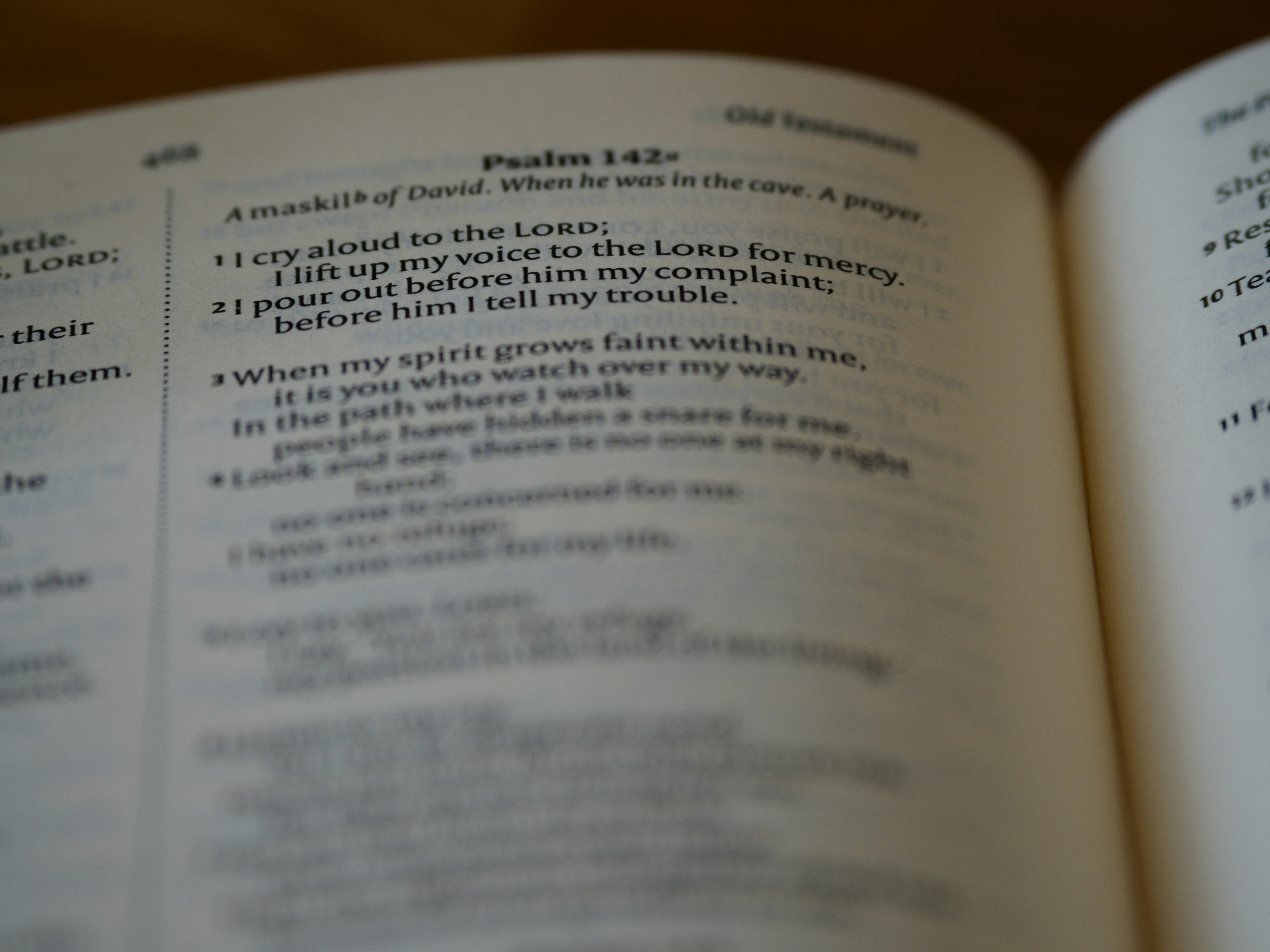
Introduction: The Role of Prayer in Hardship
In moments of distress, individuals often seek solace in various forms, and among the most profound is the act of prayer. This time-honored practice transcends cultural and religious boundaries, serving as a universal means of expressing hope and vulnerability. During challenging circumstances, many turn to prayer not only as a method of communication with a higher power but also as a means to foster resilience and cultivate a sense of inner peace.
Prayer, at its core, represents an intimate dialogue where individuals reflect on their feelings, fears, and aspirations. It can provide a comforting structure that helps to organize thoughts and emotions during tumultuous times. This ritual offers not only a sense of belonging but also encourages personal growth as it invites individuals to confront their uncertainties and seek guidance.
Moreover, the practice of prayer has been associated with numerous psychological benefits. Research indicates that regular engagement in prayer can lead to lower levels of anxiety and stress. It serves to reaffirm one’s values and beliefs, often bringing about a renewed perspective on life’s trials. By channeling thoughts and desires into prayer, individuals may find a semblance of control over their circumstances, enabling them to process their emotions more effectively.
Additionally, communal prayer can enhance the sense of connectedness and provide support during hardship. Being part of a group that shares similar convictions can create a nurturing environment where members uplift one another through shared faith. Thereby, prayer not only functions on an individual level but also strengthens community ties, fostering collective resilience in the face of adversity.
This introductory exploration sets the stage for a deeper understanding of how prayer can be a vital source of comfort and strength in difficult times, guiding individuals towards finding peace and hope despite the challenges life presents.
Understanding the Nature of Prayer
Prayer manifests in numerous forms and traditions across various cultures and religions, reflecting diverse ways in which individuals seek connection, solace, and meaning, especially during challenging times. At its core, prayer is often seen as a spiritual practice that fosters a deeper connection to the divine or the universe, depending on one’s personal beliefs. This connection provides comfort and a sense of belonging, particularly when facing adversity.
In many religious traditions, prayer serves as a structured dialogue with God or a higher power. For example, in Christianity, prayer can take the form of spontaneous spoken words, written petitions, or recitations of established prayers. These practices promote a sense of community and belonging, fostering support during hard times. Similarly, in Islam, the five daily prayers or Salah are significant acts of worship that unite believers and reinforce spiritual resilience through rituals that encourage mindfulness and reflection.
Furthermore, prayer does not solely belong to organized religions; many spiritual paths advocate for personal expressions of prayer, which can be meditative or contemplative in nature. Individuals may engage in silent reflections or visualizations that help to center their thoughts and emotions. These practices can provide an opportunity for self-exploration and inner peace, allowing individuals to process their feelings and cultivate hope amid difficulty.
In essence, prayer—regardless of its particular format—is a powerful tool for many seeking comfort and strength. It creates a space for individuals to express gratitude, voice their concerns, and seek guidance. As one navigates through life’s inevitable challenges, understanding and engaging in the diverse forms of prayer can ultimately lead to a greater sense of peace and hope.
The Psychological Benefits of Prayer
Prayer has long been regarded as a source of comfort and solace for individuals experiencing distress. Recent studies have uncovered the significant psychological benefits that prayer can provide, particularly in challenging times. One of the key findings in this area is that prayer can effectively reduce anxiety. Individuals who engage in prayer often report feelings of calm and tranquility, which can be crucial when coping with stressful situations. The act of communicating one’s concerns to a higher power allows individuals to externalize their worries, forging a mental pathway for alleviating anxiety.
Moreover, the practice of prayer contributes to enhanced emotional well-being. Research indicates that individuals who pray regularly exhibit greater levels of happiness and contentment compared to those who do not engage in similar spiritual practices. This emotional upliftment is likely linked to the feelings of connectedness and hope that prayer fosters. In stressful periods, prayer serves as a reminder that individuals are not alone in their struggles, offering a sense of community with others who share similar beliefs.
Additionally, prayer provides a sense of control amidst adversity. When faced with situations that seem unmanageable, prayer can empower individuals by allowing them to take an active role in their coping mechanisms. It cultivates resilience, as it encourages the belief that individuals can influence outcomes through their faith and intentions. This perceived control can significantly enhance one’s ability to navigate challenges effectively, reinforcing a positive outlook even in the direst circumstances.
Incorporating prayer into daily routines can thus be a powerful tool for mental health, helping individuals manage their emotions, reduce anxiety, and cultivate a sense of control. As individuals navigate the complexities of life, the psychological benefits of prayer offer a profound source of support and strength.
Prayer as a Source of Strength
Many individuals encounter situations in their lives that test their resilience and challenge their sense of peace. During such difficult times, prayer emerges as a profound source of strength, providing comfort to those facing adversity. Engaging in prayer allows individuals to connect with a higher power, offering a moment of reflection and solace. It is through these moments of spiritual communication that many find the resolve to confront their challenges.
Stories abound of individuals who have turned to prayer in their darkest hours, emerging stronger than before. For example, people struggling with health issues often share how prayer helped them find a sense of tranquillity amidst fear and uncertainty. By seeking divine guidance, they found the courage to face their diagnoses, engage with their treatment, and face each day with renewed hope. In these instances, prayer does not merely serve as a coping mechanism; it transforms their mindset and empowers them to overcome obstacles.
Furthermore, those dealing with loss or grief often recount how prayer provided a sense of peace during tumultuous emotional upheavals. The act of praying can help individuals process their feelings, serve as a channel for their emotions, and provide a pathway to healing. While the pain may not disappear instantly, the assurance derived from prayer can lighten the burden they carry, reinforcing their belief that they are not alone in their struggles.
In essence, prayer fosters a sense of strength that can lead to resilience, enabling individuals to rise above their challenges. The intimate nature of prayer allows for a personal experience that strengthens faith and fortifies the spirit, encouraging believers to navigate life’s hurdles with a sense of purpose and inner strength.
Finding Peace Through Prayer
In challenging times, the practice of prayer serves as a crucial mechanism for attaining peace. When life presents its tribulations, turning to prayer can create a sanctuary of calm, a moment where individuals can pause and reflect. This sacred act allows for the release of pent-up emotions, enabling a clearer mindset that is essential in navigating difficulties. Through prayer, individuals often find a sense of solace, as they communicate their fears, hopes, and desires to a higher power.
Moreover, prayer fosters a profound connection to one’s spiritual beliefs and values. This connection acts as an anchor during turbulent moments, reminding individuals of their inner strength and resilience. By aligning oneself with a greater purpose through prayer, clarity can emerge amidst chaos. It is this clarity that paves the way for recognizing paths forward, opening up avenues for solutions and positive action.
Furthermore, the act of prayer encourages mindfulness and presence. This deliberate focus can significantly contribute to emotional stability and reduce anxiety. Engaging in prayer can cultivate a sense of stillness, enabling individuals to cultivate mental and spiritual peace. As they immerse themselves in this practice, they often experience a shifting perspective that allows them to view their challenges through a lens of hope and possibility.
Ultimately, the transformative power of prayer lies in its ability to instill peace within the heart and mind. By creating a sacred space for introspection and connection, individuals can find the strength to confront their realities with courage and grace. In times of trouble, turning to prayer not only offers refuge but also empowers individuals to emerge from their situations with renewed hope and determination.
Hope and Faith: The Promise of Tomorrow
The connection between prayer, hope, and faith is a profound one, particularly in challenging times. When faced with adversity, individuals often find themselves searching for solace and reassurance, and it is through the practice of prayer that many discover a renewed sense of hope. Prayer acts as a channel through which individuals can express their fears, desires, and gratitude, creating a moment of reflection that fosters a positive outlook on the future.
In moments of despair, praying can instill a belief in the potential for change and improvement. The act of connecting with a higher power or the universe encourages individuals to cultivate optimism, even when circumstances appear bleak. This sense of hope is not merely wishful thinking; it is anchored in faith—the deep-seated belief that better days are ahead. Faith transforms despair into a motivational force that propels individuals to persevere, enhancing their resilience in difficult situations.
Furthermore, prayer has the ability to unify community support. When people come together to pray for one another, they reinforce a collective hope, which can be incredibly uplifting. This shared experience helps to alleviate feelings of isolation that often accompany hardship, reminding individuals that they are not alone in their struggles. The communal nature of prayer fosters a sense of belonging, enhancing an individual’s hope by surrounding them with encouragement and positive energy.
In essence, prayer serves as a bridge between hope and faith, enabling individuals to envision a future characterized by strength and peace. Regardless of one’s beliefs, the practice of prayer encourages the cultivation of hope, motivating individuals to face challenges with a renewed spirit and an unwavering belief in the promise of tomorrow.
Personal Stories of Transformation Through Prayer
Countless individuals have turned to prayer during their periods of struggle, seeking solace, guidance, and strength. These personal stories of transformation illuminate the profound impact that prayer can have in the lives of those facing difficult circumstances. One compelling example comes from a young woman named Sarah, who battled anxiety for several years. Despite her efforts to manage her condition through therapy and medication, she often found herself overwhelmed. Sarah decided to incorporate daily prayer into her routine, focusing on gratitude and surrendering her worries to a higher power. Over time, she noticed a remarkable shift in her mindset; her anxiety diminished, replaced by a sense of inner peace and resilience.
Similarly, David, a father of three, faced the daunting challenge of losing his job unexpectedly. The pressure of supporting his family during this uncertain time weighed heavily on him. In his search for solace, David began to pray regularly, asking for guidance and clarity. His prayer practice provided him with the patience and strength to persevere through interviews and rejections. Ultimately, David secured a new job that not only matched his previous role but offered even greater fulfillment. He attributes his success to the unwavering support he found through prayer, which instilled a sense of hope amidst his struggles.
Another inspiring story is that of Maria, who confronted a serious illness. After her diagnosis, Maria turned to prayer as a means of coping with her fear and uncertainty. Each day, she prayed for strength, healing, and peace. Her commitment to prayer fostered a community of support as friends and family joined her in their own prayers. This collective faith created an environment of encouragement and upliftment, empowering Maria to undergo her treatment with renewed vigor. The experience not only deepened her spiritual connection but also transformed her outlook on life.
These testimonies serve as powerful reminders of the transformative nature of prayer in challenging times. They emphasize how individuals find strength, hope, and peace, reinforcing the belief that the power of prayer can transcend adversity.
Practical Tips for Incorporating Prayer in Daily Life
Incorporating prayer into daily life can significantly enhance one’s sense of peace and connection during challenging times. Establishing a consistent prayer routine allows individuals to draw strength and hope from their faith. Below are several practical tips to help integrate prayer into everyday activities.
First, designate specific times during the day for prayer. This could be in the morning upon waking, during a lunch break, or in the evening before bed. Setting aside dedicated moments ensures that prayer becomes a regular part of your routine. You might find it beneficial to use a journal to reflect on your thoughts and feelings during these sessions, allowing for deeper introspection and a more engaging prayer experience.
Second, consider creating a prayer space within your home. This can be a quiet corner with a comfortable seat, soft lighting, and meaningful items such as religious texts, candles, or symbols of faith. This dedicated space can cultivate an ambiance conducive to reflection and supplication, helping to focus your mind and heart during prayer.
Another suggestion is to incorporate prayer into your daily tasks. For example, recite prayers while commuting, cooking, or exercising. This practice can transform mundane activities into spiritual rituals, reinforcing the importance of prayer throughout various aspects of life.
Additionally, join a prayer group or community, either in-person or online. Sharing prayer experiences with others can provide additional support and encouragement, enhancing the collective strength that prayer can bring. Being part of a group allows for varying perspectives on prayer, enriching your own practice and understanding.
Finally, be open to spontaneous prayer. Whether it’s expressing gratitude during a moment of joy or seeking guidance in difficult situations, being flexible and responsive to the need for prayer can strengthen your spiritual connection and provide comfort in times of uncertainty.
Conclusion: Embracing the Power of Prayer
In challenging times, the act of prayer can serve as a profound source of comfort and resilience. Engaging in prayer not only fosters a connection with the divine but also cultivates inner strength, peace, and hope. Individuals often report experiencing a sense of relief and tranquility when they turn to prayer during their struggles, leading to improved emotional and psychological well-being.
The benefits of prayer extend beyond mere moments of solitude; it can be a constructive practice that encourages a reflective mindset. By integrating prayer into daily routines, individuals may find clarity and direction amid the chaos of life. This time spent in prayer can help to solidify one’s values, provide guidance in decision-making, and encourage a positive outlook in adversity.
Furthermore, prayer has the unique ability to build a sense of community. When individuals come together to pray, they often find shared strength in their collective faith. This sense of belonging can help reduce feelings of isolation, providing support and solidarity in the face of life’s challenges. Encouraging communal prayer can enhance the overall experience, allowing individuals to draw upon not only their faith but also the supportive network around them.
Ultimately, embracing the power of prayer can lead to an enriched spiritual journey. It invites individuals to seek solace in challenging moments, fosters hope in periods of despair, and strengthens one’s resolve to face difficulties head-on. By making prayer an integral part of life, individuals can nurture a profound sense of peace and confidence, ultimately transforming their approach to adversity.
