

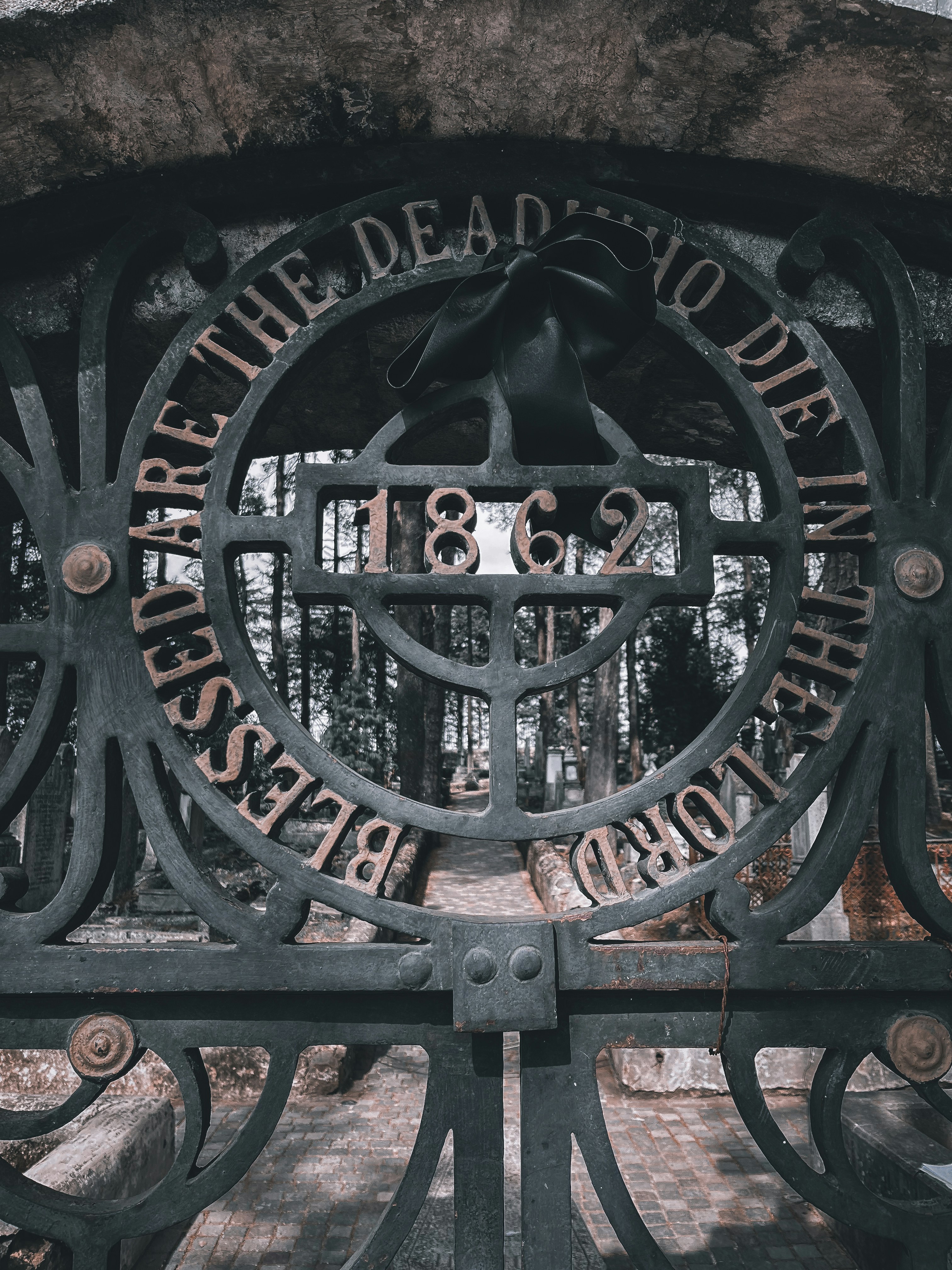
Introduction to The State of the Dead
The concept of death has long been a profound element in the tapestry of human belief systems, encompassing a wide array of perspectives on what happens when life ceases. Across various cultures and religious traditions, the understanding of death and the state of the deceased reveals a common thread: the notion of unconscious sleep or an intermediate state until resurrection. This perspective suggests that upon death, the soul enters a dormant state, disconnected from the physical realm, a belief that permeates many religious teachings.
In many Christian traditions, for example, death is often viewed not as an end, but as a transition to eternal life. The state of the dead is frequently described in terms of a temporary slumber that the soul experiences until the eventual resurrection of the body at the end of time. Similarly, within Islamic beliefs, the concept of Barzakh refers to a state of waiting between death and resurrection where the soul resides, illustrating a thematic similarity across diverse beliefs.
Beyond Abrahamic religions, various indigenous and Eastern belief systems also embrace ideas of an afterlife that suggest a period of rest or unconsciousness after death. For instance, some interpretations of Hinduism present the cycle of birth, death, and rebirth, suggesting that the soul experiences a phase of rest before its next incarnation. In essence, these views resonate with the understanding that death is not an abrupt termination, but rather a significant transition point for the soul.
This exploration of death serves as the foundation for discussing the various beliefs surrounding resurrection and what believers perceive to occur to the soul after a person dies. As we delve further into these concepts, a clearer picture of how humans grapple with the mystery of death will emerge, allowing for a nuanced understanding of the diverse beliefs regarding the state of the dead.
The Concept of Unconscious Sleep
The idea of unconscious sleep following death is deeply rooted in various theological and philosophical traditions. This concept proposes that upon death, individuals enter a state of dormancy akin to sleep, during which consciousness is suspended. This perspective stands in contrast to beliefs that advocate for immediate judgment or an active afterlife experience, where the soul remains aware and engaged. The notion of unconscious sleep is especially prevalent in certain branches of Christianity, where scriptures often reference a state of rest for the deceased until the final resurrection.
From a theological standpoint, unconscious sleep carries significant implications. It suggests that there is a temporary interlude between the physical death of the body and the eventual resurrection at the end of times. This temporary suspension of consciousness offers comfort to many who fear death, as it implies a lack of immediate suffering or awareness of the passage of time. In this view, death is not seen as a finality but rather as a mere transition to a new state of existence where individuals remain in a peaceful, dreamless slumber.
Philosophically, the idea of the unconscious state raises critical questions about the nature of the self and existence beyond death. Adherents of this belief argue that true consciousness cannot exist apart from the physical body, reinforcing the connection between life and resurrection. This viewpoint challenges beliefs that posit the continuous existence of the soul, urging a re-examination of what it means to be conscious, particularly in the face of mortality. The unconscious sleep model therefore serves as a bridge between life and the afterlife, emphasizing the importance of awaiting eternal promises yet to be fulfilled.
Resurrection at the End of the World
The concept of resurrection at the end of the world is a significant belief in many religious traditions, particularly within Christianity and Islam. This belief generally posits that at a predetermined time, all deceased individuals will be physically resurrected, reuniting their souls with their bodies. This event is often referred to as the “Last Judgment” or “Day of Resurrection.” The underpinnings of this belief can be traced back to various scriptural interpretations found in sacred texts.
In Christianity, the New Testament explicitly addresses this concept in multiple instances. One notable reference is found in Paul’s First Letter to the Corinthians (1 Corinthians 15:52), where he states that the dead will be raised imperishable at the sound of the trumpet. This passage underscores the transformative nature of resurrection, highlighting the belief that the physical bodies will be renewed and immortal. Furthermore, the Book of Revelation also touches on the resurrection theme, envisioning a future where the dead, both great and small, stand before God for judgment (Revelation 20:12).
Similarly, Islamic eschatology outlines a vivid picture of resurrection, where it is believed that Allah will resurrect individuals on the Day of Judgment. The Qur’an speaks of this event in multiple verses, such as Surah Al-Zalzalah (The Earthquake), which describes the earth shaking and delivering its burdens, symbolizing the resurrection of the deceased. In this context, the resurrection serves not just as a return to life, but as a precursor to ultimate judgment and eternal recompense, reinforcing moral accountability.
Throughout various traditions, the belief in physical resurrection serves as a profound source of hope and motivation for adherents, reinforcing moral duties and the significance of living a righteous life. Whether interpreted literally or metaphorically, the theme of resurrection remains a pivotal element in understanding the complexities surrounding death, the afterlife, and the ethics of human existence.
The Fate of the Unrepentant Sinners
The beliefs surrounding the fate of unrepentant sinners often elicit strong emotional responses and provoke deep philosophical inquiries into the nature of justice and morality. Those who die without expressing remorse for their transgressions face varied interpretations across different religious and spiritual frameworks. Traditionally, many teachings have posited that unrepentant sinners are condemned to eternal torment in hell, a concept vividly depicted in various religious texts. This view serves as a deterrent against ethical wrongdoing, reinforcing the idea that one’s choices bear lasting consequences.
Conversely, some spiritual perspectives advocate the notion of ultimate destruction rather than eternal punishment. This view posits that unrepentant sinners may face annihilation, ceasing to exist rather than enduring endless suffering. Proponents of this belief argue that an all-loving deity would be unjust to subject individuals to perpetual torment. Instead, they suggest that the finality of annihilation could serve as a more fitting consequence for those who persistently reject moral rectitude and fail to embrace repentance during their earthly lives.
The implications of these contrasting views on the fate of unrepentant sinners extend beyond theological discourse; they resonate with ethical living and moral responsibility. For individuals who believe in eternal torment, the concept can instill a sense of urgency in leading a righteous life, fostering adherence to moral standards to avoid dire consequences. On the other hand, the belief in ultimate destruction may promote a different approach to morality. It encourages individuals to focus on the the potential for personal growth and restitution while embracing the idea of redemption, even for those who have erred. Ultimately, the differing beliefs about the fate awaiting unrepentant sinners play a significant role in shaping the moral compass within various cultures and faiths.
Comparative Beliefs About Death and Afterlife
The concept of death, along with the beliefs surrounding the afterlife, varies significantly across different cultures and religions. These differences highlight the diversity in human thought and the various ways in which societies grapple with the mystery of mortality. Various belief systems offer unique perspectives, from reincarnation to concepts of eternal torment, enriching our understanding of how people perceive the state of the dead.
In many Eastern religions, such as Hinduism and Buddhism, the concept of reincarnation plays a pivotal role. Followers believe that after death, the soul undergoes a cycle of rebirth, driven by karma accrued in previous lives. This cyclical nature emphasizes a continuous journey of the soul, which can lead to enlightenment or liberation from the cycle. The idea of samsara, or the cycle of death and rebirth, reflects an intricate worldview that emphasizes moral and ethical living.
Conversely, many Abrahamic religions, including Christianity and Islam, tend to focus on a linear view of existence, wherein an individual’s fate is determined by their earthly actions. In Christianity, the belief in an afterlife often centers around concepts of heaven and hell, where individuals face eternal judgment based on their faith and deeds. Similarly, Islamic teachings emphasize a Day of Judgment, where one’s life is assessed, determining eternal reward or punishment.
Despite these differences, there are notable similarities. For instance, both the belief in reincarnation and the ideas of heaven or hell share a common thread of moral accountability. Each belief underscores the importance of living a virtuous life and understanding the implications of one’s actions. Moreover, discussions on the afterlife often serve as significant moral compasses, influencing behaviors and societal norms within various cultures.
Overall, exploring these varied beliefs aids in fostering a deeper understanding of how death and the afterlife inform ethical frameworks, shaping the collective consciousness of humanity.
Philosophical and Ethical Considerations
The beliefs surrounding death, resurrection, and the afterlife raise significant philosophical and ethical questions that have perplexed thinkers for centuries. These beliefs not only influence individual behavior but also shape broader societal norms and values. At the heart of this discourse lies the morality of concepts such as eternal punishment and the implications of eternal destruction. If one considers the idea of eternal punishment, it prompts inquiries into fairness and justice; is it ethical to subject individuals to endless suffering for finite human actions? The argument for eternal destruction presents another moral quandary. It challenges the notion of redemption and mercy, inviting individuals to contemplate whether a complete cessation of existence is a more just outcome than enduring perpetual torment.
This inquiry is further complicated by varying interpretations of resurrection across cultures and philosophies. For instance, in some religious frameworks, resurrection is viewed as an opportunity for redemption. This perspective influences moral behavior, suggesting that individuals are motivated to act ethically in anticipation of a favorable resurrection. Conversely, belief in eternal punishment may result in fear-driven moral compliance rather than genuine ethical commitment. Therefore, societies that emphasize the potential for resurrection might cultivate a more compassionate moral landscape, in contrast to those that focus largely on punitive measures.
Such diverse beliefs about the afterlife profoundly influence human psychology and behavior. They can serve both as a guide for living a virtuous life and as a means for enforcing social norms. In navigating these complex ethical waters, individuals are encouraged to reflect upon their own beliefs about death and the afterlife. How do these beliefs shape not only personal conduct but also the collective ethical climate within society?
Cultural Interpretations of Death
Death is a profound aspect of the human experience, and various cultures have developed unique interpretations and beliefs surrounding it. These interpretations often shape a society’s rituals and customs associated with death, resurrection, and the afterlife. In many cultures, death is not perceived as the end of existence but rather as a transition to another state of being.
For instance, in ancient Egyptian tradition, the belief in an afterlife was central to their culture. They practiced elaborate burial rituals, including mummification, which they believed prepared the deceased for a journey to the afterworld. The Book of the Dead, a collection of spells and guidance, was commonly placed in tombs to assist the dead in navigating the challenges of the afterlife. This reflects the Egyptians’ understanding of death as a transformative process rather than a finality.
In contrast, many Indigenous cultures of the Americas view death as a return to the earth, where the spirit continues to exist within nature. Ceremonies celebrating life and honoring the deceased’s connection with the environment are often performed. For example, the Day of the Dead in Mexican culture celebrates deceased loved ones with colorful altars, food, and music, highlighting that death is an ongoing relationship rather than a cessation of existence.
In eastern cultures such as Buddhism, death is seen as a part of samsara, the cycle of life, death, and rebirth. The teachings emphasize the impermanence of life and the potential for enlightenment, promoting rituals intended to help the living and the deceased transition smoothly through these cycles. The interpretation of death in this context is neither embraced nor feared but acknowledged as an integral component of existence.
Understanding these diverse cultural interpretations of death enhances our awareness of humanity’s collective approach to mortality. Each culture’s practices and beliefs provide insights into how they view the relationship between life and afterlife, emphasizing the rich tapestry of human experience surrounding the state of the dead.
Contemporary Perspectives and Relevance
In the modern world, beliefs surrounding the state of the dead, resurrection, and afterlife have transformed significantly. The advancement of science and a growing secularism have led many individuals to reassess traditional religious perspectives. Where once faith played a pivotal role in shaping views on life after death, today’s society often turns to empirical evidence and rational thought to navigate existential questions. This shift has resulted in a wide array of interpretations regarding what happens after death.
Scientific advancements in fields such as neuroscience and biology have provided insights into the nature of consciousness and the human experience, prompting a dialogue that challenges conventional beliefs about the afterlife. Increasingly, many individuals perceive death as a final endpoint rather than a transition to another existence. This perception aligns with secular ideologies, where materialistic understandings take precedence over spiritual beliefs.
However, as secularism rises, there exists a concurrent fascination with the concepts of spirituality and alternative belief systems. New Age movements, often characterized by eclectic spirituality, have gained traction, offering new interpretations of life, death, and the state of the dead. This has created a juxtaposition: while many embrace scientific explanations, others seek comfort in esoteric teachings that present an idea of death as a transformation rather than a conclusion.
Despite the prevalence of secular ideologies, traditional beliefs around resurrection and afterlife continue to resonate within various religious communities, serving as a source of hope and moral guidance. For many, these views provide valuable frameworks for understanding human existence and mortality, thereby maintaining their relevance in contemporary discourse.
Thus, the exploration of death, resurrection, and afterlife beliefs is marked by a rich tapestry of perspectives, where modern scientific understanding and traditional teachings coexist, influencing how society at large approaches this profound aspect of the human experience.
Conclusion and Reflection
Throughout this exploration of death, resurrection, and afterlife beliefs, we have examined the diverse perspectives that cultures and religions offer regarding the state of the dead. Different societies envision death not as an end but rather as a transition into various forms of existence, offering a myriad of insights into the human experience and mortality.
From ancient civilizations that revered ancestors to contemporary philosophical debates surrounding existence after death, each viewpoint highlights the profound impact of individual and collective beliefs on how we perceive mortality. The concepts of resurrection found in various religious frameworks often illustrate not only hope but also a deep-rooted desire for continuity beyond physical demise.
Equally noteworthy is the acknowledgment of secular perspectives that challenge traditional narratives, emphasizing the significance of the here and now rather than what may lie beyond. This modern understanding invites individuals to consider their own beliefs about death, prompting reflection on what it means to live fully and purposefully within the confines of one’s lifespan.
As we conclude this discussion, it becomes evident that acknowledging the diversity of afterlife beliefs is vital. It fosters an appreciation for the various ways societies process grief and coping with loss. By engaging with these differing perspectives, we are encouraged to introspect and examine how our worldview shapes our understanding of the state of the dead and the meaning we ascribe to our existence.
