
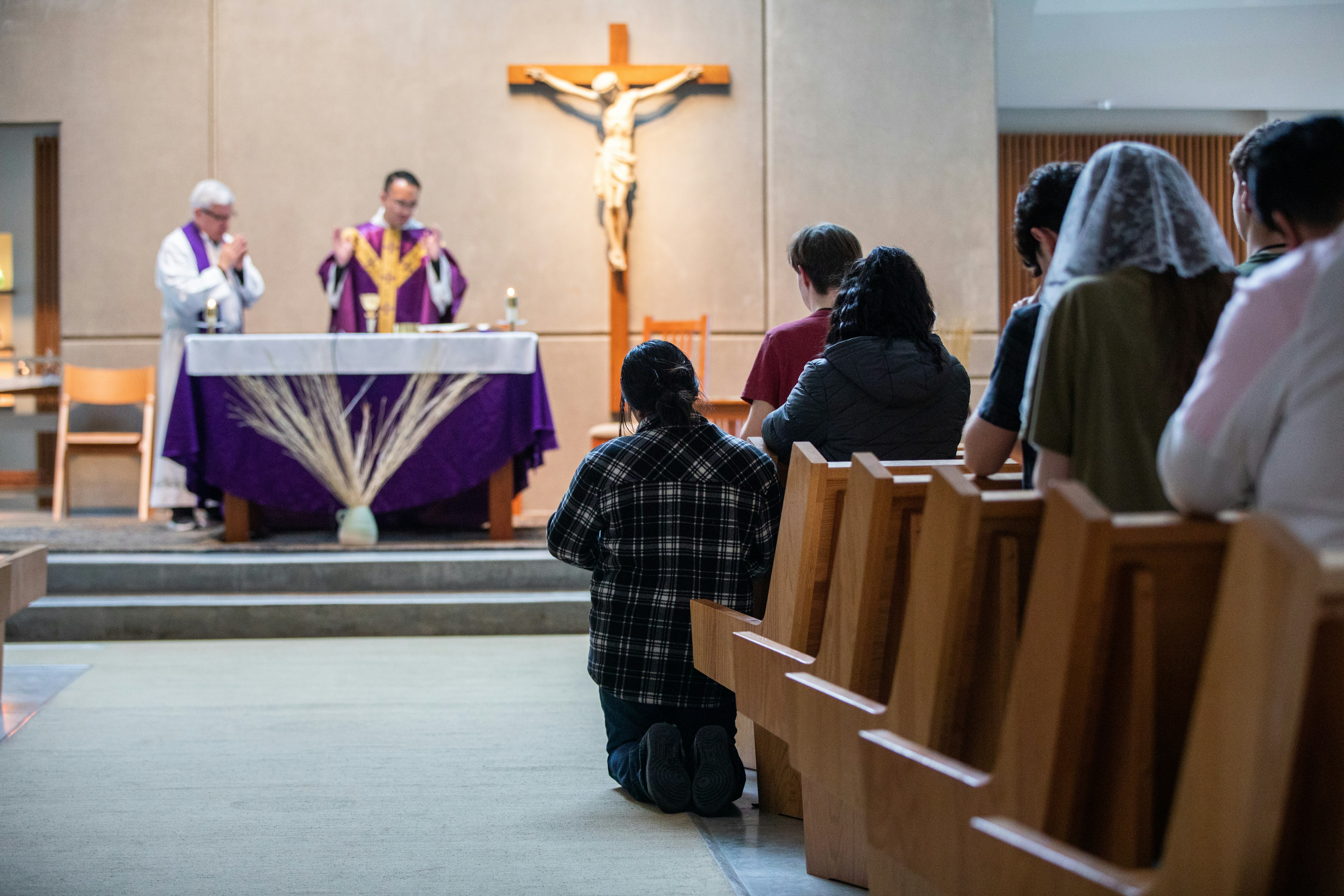
Introduction to the Church Community
The term ‘church’ often conjures up images of a physical building where congregations gather for worship. However, the essence of the church transcends its bricks and mortar. At its core, the church represents the community of believers who come together to express their faith, support one another, and collectively engage in worship and service to God. This understanding of the church emphasizes the importance of fellowship within a shared belief system, highlighting the spiritual and social dimensions of congregational life.
Gathering as a community to worship God serves several vital functions. Firstly, it fosters a sense of belonging among individuals who share similar values and beliefs. Participation in communal worship allows congregants to connect on a deeper level, forming bonds that may extend beyond religious services into everyday life. This connection provides emotional and spiritual support, especially during challenging times, enabling individuals to confront life’s adversities with a network of encouragement.
Furthermore, the church community serves as a platform for collective worship, where individuals can express their devotion and admiration for God. Through various forms of worship—such as singing, prayer, and reading scripture—believers engage in practices that strengthen their faith and reinforce their commitment to their spiritual journey. The shared experience of worship not only elevates personal spirituality but also cultivates a strong sense of unity among members of the congregation.
In addition to worship, the church community often undertakes various service initiatives aimed at helping those in need. Such activities underscore the church’s commitment to social responsibility and embody the teachings of compassion and love central to many faith traditions. By working together to serve others, church members not only fulfill a critical aspect of their faith but also solidify their bonds with one another, reinforcing the concept that being part of a church is about collective faith in action.
Historical Overview of the Church
The history of the Church is a rich tapestry woven through centuries, tracing its origins back to the early Christian community in the 1st century AD. This period was marked by the teachings of Jesus Christ and the subsequent spread of his message through the efforts of his apostles. The Acts of the Apostles indicates that the initial gatherings were intimate, focused on prayer, communal living, and the breaking of bread, laying the groundwork for what would evolve into a formal organizational structure.
As Christianity gained momentum, it encountered significant resistance from religious and political authorities, resulting in periods of persecution. Notable figures such as Stephen, the first Christian martyr, exemplified the challenges faced by the early believers. However, this adversity also spurred growth; the Edict of Milan in 313 AD, issued by Emperor Constantine, transformed Christianity significantly, granting it legal status within the Roman Empire and allowing it to flourish openly.
During the Middle Ages, the Church became a dominant force in European society, influencing politics, education, and culture. The establishment of monastic communities contributed to the preservation of knowledge through the dark ages while also serving as centers of agriculture and spirituality. The Great Schism of 1054 divided the Church into the Roman Catholic and Eastern Orthodox branches, each developing distinct theological interpretations and practices.
As the Reformation swept across Europe in the 16th century, figures such as Martin Luther and John Calvin challenged the status quo, leading to the creation of various Protestant denominations. This period marked a significant shift in religious practice, emphasizing personal faith and scriptural authority. In contemporary times, the Church reflects a mosaic of beliefs and practices, united in the core mission of worshiping and serving God. The ecumenical movement seeks to bridge divisions, fostering dialogue among differing Christian traditions, highlighting the ongoing evolution of the Church as a community of believers.
Core Beliefs and Doctrines of the Church
The foundational beliefs and doctrines of the Church serve as the bedrock for its community of believers. Central to these is the faith in God, who is recognized as the Creator and sustainer of all life. This belief underscores the intimate relationship that each member of the Church seeks to cultivate with the Divine. Acknowledging God as the ultimate authority invites a sense of purpose and belonging, reinforcing the idea that followers are part of a larger narrative that transcends individual existence.
Equally critical is the belief in Jesus Christ, the Son of God, whose life, death, and resurrection are central to Christian teaching. Church members believe that through Jesus, humanity is afforded the opportunity for redemption and eternal life. This shared faith unites believers in a common commitment to follow Jesus’ teachings and exemplify His love and grace in their daily lives. The doctrines surrounding Jesus not only shape individual spiritual journeys but also foster communal bonds through shared worship and service.
The role of the Holy Spirit is another core component of Church doctrine, viewed as the active presence of God in the lives of believers. The Holy Spirit is believed to guide, comfort, and empower individuals, equipping them for service both within the Church and in the broader community. This belief cultivates a spirit of cooperation among members as they recognize the diverse gifts and talents that the Holy Spirit bestows upon each person.
Finally, the importance of scripture cannot be overstated. The Bible serves as a guiding document, providing moral direction and theological grounding. Its teachings and narratives are fundamental to the Church’s beliefs, offering a framework for understanding God’s will and purpose. As members engage with scripture together, they deepen their relationships with one another and grow collectively in their faith. In summary, these core beliefs and doctrines not only solidify the foundation of the Church but also nurture a vibrant community committed to worship and service.”}
The Role of Worship in the Church Community
Worship serves as a fundamental aspect of the church community, acting as a conduit through which believers express their reverence and devotion to God. Within church settings, various forms of worship are embraced, each contributing uniquely to the spiritual life of the congregation. Traditional services often include hymns, prayers, and readings from scripture, creating a solemn atmosphere that fosters a deep reverence for God. These time-honored practices not only instill a sense of continuity and connection to historical Christian traditions but also encourage the community to gather in a structured manner, reinforcing their collective identity as believers.
On the other hand, contemporary worship has surged in popularity, particularly among younger churchgoers. This approach often incorporates modern music, multimedia presentations, and interactive elements, making worship accessible and relatable. Such forms of worship resonate with individuals seeking a more dynamic and expressive environment for their spiritual engagement. By embracing contemporary methods, the church community can reach a broader audience, inviting diverse groups to participate and enjoy the shared experience of worship.
Rituals also play a significant role in church worship. Practices such as baptism, communion, and liturgical observances serve as powerful reminders of faith, marking important milestones in the believers’ spiritual journeys. Through these sacred rites, congregants are not only able to reaffirm their beliefs but also to strengthen their bonds within the community. Such shared experiences foster unity, support, and encouragement among members, enhancing their overall connection with one another and with God.
In essence, the various forms of worship within a church community are essential for nurturing spiritual growth and promoting fellowship. By participating in both traditional and contemporary worship, believers find their relationship with God enriched, which in turn, fortifies the collective spirit of the congregation.
Service and Outreach: The Church in Action
The role of the church extends far beyond its physical structure, acting as a vital community hub that engages in various outreach efforts, charitable works, and social justice initiatives. At the heart of these activities is a commitment to serving others, which is an essential principle of faith embraced by many congregations. Service is not solely a responsibility but an opportunity for believers to embody their faith in tangible ways, reflecting the teachings of compassion and love inherent in many religious doctrines.
Throughout history, churches have mobilized resources and volunteers to address pressing community needs. Initiatives such as food drives, clothing distribution, and emergency relief services exemplify the church’s proactive stance in helping vulnerable populations. Furthermore, many churches participate in organized efforts to combat systemic issues such as poverty, homelessness, and inequality. This involvement illustrates the church’s capacity to be a catalyst for social change, emphasizing its relevance in contemporary society.
Additionally, mission trips and outreach programs serve as platforms for congregants to engage with communities both locally and globally. These experiences not only provide essential assistance but also foster a sense of shared humanity and understanding across diverse cultures. Volunteering within the church’s framework offers believers an opportunity to develop their skills and deepen their understanding of the faith while making a meaningful impact on the lives of others.
In essence, service and outreach are fundamental aspects of a church’s identity. They provide an avenue through which congregants can live out their commitment to serve with love and humility. As churches continue to engage actively with their communities, they play an instrumental role in promoting values of unity and compassion, reinforcing the idea that faith is best expressed through action.
Building Relationships within the Church
Within the church, the importance of building relationships cannot be overstated. Fellowship and companionship play a pivotal role in establishing a supportive and nurturing community where believers can grow in faith together. These relationships are often fostered in small groups, which provide an intimate setting for members to share their lives, challenges, and spiritual journeys with one another. In these small groups, participants can engage in meaningful discussions, hold each other accountable, and pray collectively, thereby creating a sense of belonging that is essential for personal growth.
Another vital aspect of relationship-building within the church is through Bible studies. By delving into scripture together, individuals not only deepen their understanding of God’s word but also strengthen their bonds with one another. Engaging with the Bible in a communal setting encourages participants to share insights and different perspectives, enriching the experience for everyone involved. This collaborative learning environment fosters a spirit of unity, enabling members to support each other in their spiritual quests and challenges.
In addition to small groups and Bible studies, church events also play a significant role in nurturing relationships. Community functions, such as potlucks, retreats, and service projects, provide opportunities for members to connect outside of traditional worship settings. These events facilitate informal interactions and encourage fellowship among diverse groups within the congregation. Participating in activities together helps to break down barriers and fosters a sense of camaraderie. The shared experiences during these gatherings encourage individuals to forge relationships that can last a lifetime, as they witness each other’s commitment to serving God and supporting the broader mission of the church.
Challenges Facing Today’s Church Community
Today’s church community faces a myriad of challenges that can potentially hinder its growth and effectiveness. Chief among these issues is declining attendance. Many congregations are witnessing a downward trend in participation as younger generations seek spiritual fulfillment in ways that differ from traditional church attendance. This shift often results from a desire for authenticity and connection, leaving some churches struggling to retain members.
In addition to declining attendance, generational differences present a significant challenge within the church community. The values and beliefs of different age groups can vary greatly, resulting in a disconnection between older and younger members. For instance, younger adults may prioritize social justice and community engagement, while older generations might emphasize doctrinal teachings and traditional values. Bridging this gap requires open dialogue and mutual respect, allowing churches to foster intergenerational relationships that encourage collaboration and understanding.
The social dynamics of today’s world also pose a challenge for church communities. With increasing polarization and societal issues, churches often struggle to address sensitive topics without alienating certain groups within their congregations. To navigate these complexities, church leaders must prioritize inclusivity and provide platforms for discussion while emphasizing shared beliefs and values.
To effectively address these challenges, churches can adopt adaptive strategies. Initiatives aimed at fostering community engagement, such as outreach programs, can encourage attendance and participation. Embracing technology, like online services and social media, can also attract younger members and enhance communication within the congregation. By remaining open to change and innovative practices, churches can build a resilient community that honors tradition while being responsive to contemporary needs.
The Future of the Church Community
As we look ahead to the future of the church community, it is evident that several trends are shaping the evolution of worship and service within these spiritual organizations. Key among these trends is the integration of technology, which is increasingly becoming a cornerstone in how communities connect, worship, and engage with their faith. Virtual services, digital outreach, and online prayer groups are now commonplace, allowing congregants to stay connected regardless of geographical barriers. This shift makes church participation more accessible, particularly for those who may face challenges in physically attending services.
In addition to technological advancements, changing societal values play a significant role in redefining church communities. Many contemporary congregations are embracing inclusivity, diversity, and social justice, aligning their missions with the values of younger generations. This shift not only reflects broader societal changes but also engages new members while fostering a sense of belonging among existing congregants. The church, as a community of believers, will continue to evolve by actively promoting these values and adapting its practices to reflect the diverse realities of its members.
The nature of worship itself is also undergoing transformation. Traditional services are being supplemented with more contemporary forms of worship, including music styles that resonate with younger audiences and different expressions of faith. Many churches are experimenting with various worship formats, such as interactive and participatory services, which enhance congregant involvement. This evolution is essential for maintaining relevance in a fast-paced world, where individuals seek meaningful experiences.
Ultimately, the future of the church community hinges on its ability to blend tradition with innovation. As technology continues to advance and societal values shift, church communities must remain agile and responsive to these changes. Engaging with their congregants and fostering a dynamic worship experience will be critical in furthering the mission of the church, ensuring that it remains a vital and nurturing space for believers.
Conclusion: The Enduring Value of the Church Community
The church serves as a vital community of believers, acting not only as a place of worship but also as a support system that nurtures individuals both spiritually and socially. It fosters an environment where members can come together to share experiences, build relationships, and support one another in their faith journeys. Being part of a church community extends beyond mere attendance at services; it involves active participation in communal worship, outreach activities, and various ministries that aim to serve both its members and the broader society.
Throughout history, churches have played an instrumental role in shaping values and providing guidance. They serve as a beacon of hope and moral clarity in communities, helping individuals navigate life’s challenges. The teachings and fellowship found in church settings have profound implications, encouraging personal growth and fostering a sense of belonging. In times of need, members often turn to their church community, which provides emotional support, practical assistance, and spiritual counsel.
In essence, the church community is more than just a gathering; it is a living testament to the power of collective faith and service. Engaging actively in church life not only benefits individuals by enhancing their spiritual journey but also contributes to a larger sense of purpose and connection within the community. Thus, readers are encouraged to immerse themselves in their church experience, get involved in activities, and build meaningful relationships with fellow believers. By doing so, they can experience firsthand the enduring value of being part of this rich community that remains committed to worshiping and serving God together.