
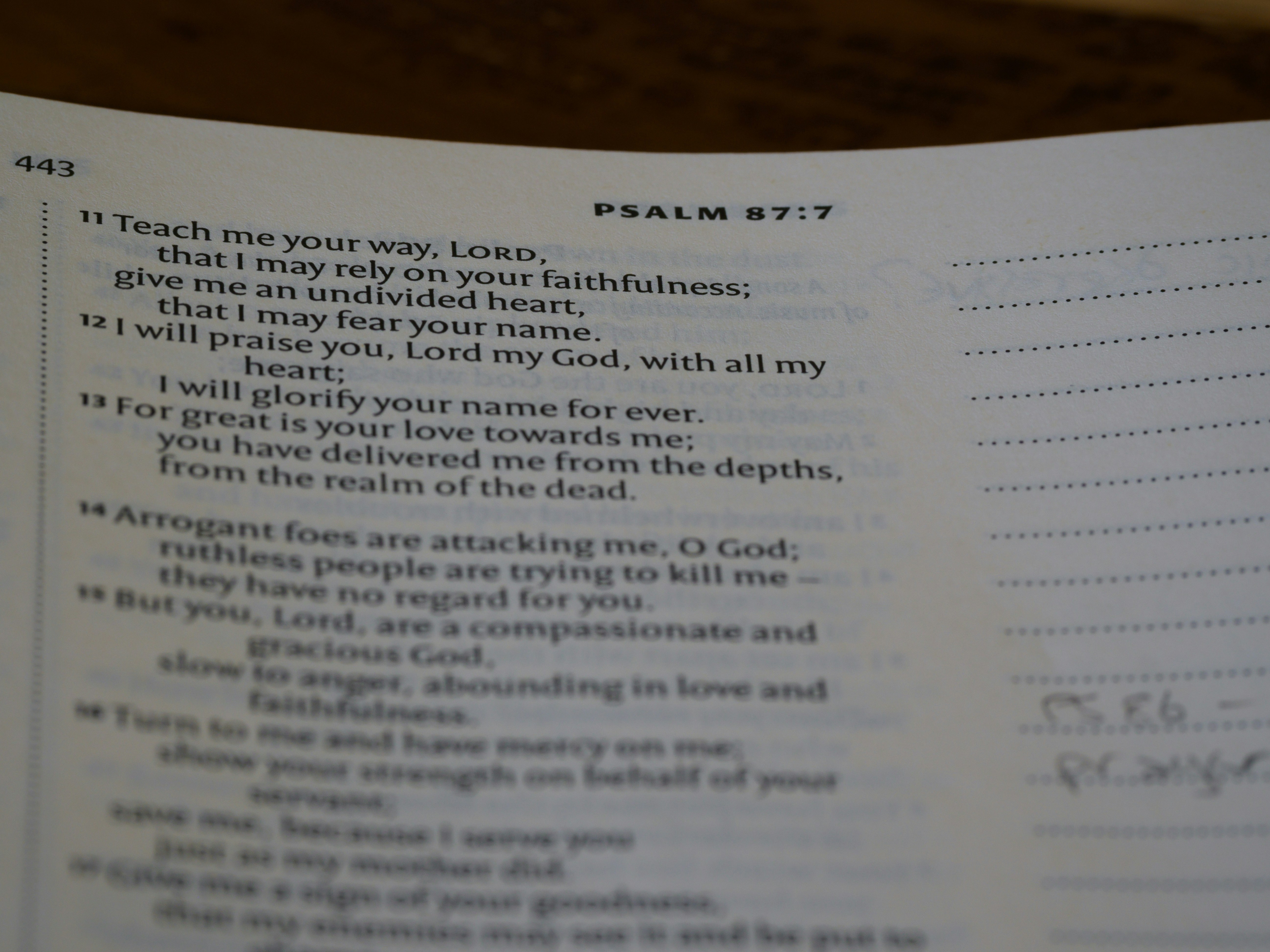
Understanding Faith in the Biblical Context
Faith holds a paramount position in the Christian doctrine, encapsulating a profound trust and belief in God and His promises. In the Bible, faith is depicted not merely as an abstract concept but as a vital component of the believer’s relationship with the divine. The primary scripture that addresses this notion can be found in Hebrews 11:1, where faith is described as “the assurance of things hoped for, the conviction of things not seen.” This encapsulates both the certainty and hope embedded in faith, emphasizing that it serves as a bridge between the believer and the divine.
Across various biblical texts, faith is portrayed as an essential requirement for salvation. In Ephesians 2:8-9, it is proclaimed that “for by grace you have been saved through faith, and that not of yourselves; it is the gift of God.” This underlines the understanding that faith is bestowed upon individuals by divine grace, liberating them from the burdens of sin and granting them eternal life. Furthermore, the Gospel of John states, “For God so loved the world that He gave His only Son, that whoever believes in Him should not perish but have eternal life” (John 3:16), reinforcing the necessity of faith in achieving spiritual fulfillment and connection to God.
Moreover, the Old Testament frequently highlights the concept of faith as well. In Habakkuk 2:4, it asserts, “the righteous shall live by his faith,” which indicates that faith is integral not only to one’s spiritual life but also to moral living. The examples of biblical figures, such as Abraham being called the father of faith due to his unwavering trust in God’s promises, serve to illustrate the active nature of faith. In conclusion, faith emerges as a foundational element within the biblical narrative, guiding believers through their spiritual journeys and embodying a dedicated commitment to God’s word and presence in their lives.
The Role of Faith in Salvation
In Christian theology, the concept of faith is intricately woven into the fabric of salvation. According to the Bible, faith is the mechanism through which believers receive God’s grace and ultimately secure their eternal relationship with Him. One of the most cited verses regarding this is Ephesians 2:8-9, which emphasizes that salvation is a gift from God, accessible through faith, rather than a human achievement through works. This underscores the idea that faith is not merely an intellectual assent but a profound trust in Jesus Christ’s redemptive work.
Furthermore, Romans 10:9 illustrates that confessing with one’s mouth and believing in the heart that God raised Jesus from the dead is essential for salvation. This indicates a dual aspect of faith: belief, which acknowledges Jesus’ divine nature, and trust, which personalizes the act of salvation. Here, faith is presented not only as belief in various doctrines but as a transformative force that affects how individuals relate to God and others.
Various interpretations exist regarding the nature of faith in the context of salvation. Some theological traditions emphasize a synergistic approach, where faith and works collaborate in the process of salvation. Conversely, others embrace the doctrine of sola fide, which posits that faith alone suffices for salvation. Regardless of interpretation, the consensus remains that faith plays a fundamental role in a believer’s spiritual journey.
In conclusion, the Bible presents faith as essential for attaining salvation. Through key scriptural passages, it is illustrated that faith constitutes both the means by which divine grace is received and the attitude that a person must adopt towards Jesus Christ. The role of faith cannot be understated, as it remains a cornerstone of Christian belief and practice regarding salvation.
Faith Through Trials: Biblical Examples
Throughout the Bible, numerous characters illustrate remarkable faith during their most challenging trials. These narratives serve as powerful testimonies that emphasize how faith can sustain individuals in times of hardship. One of the most profound examples is that of Abraham. God tested Abraham’s faith by asking him to sacrifice his son Isaac, a command that seemed inconceivable given the promise that Isaac would be the one through whom Abraham’s descendants would be numerous. Yet, Abraham demonstrated unwavering faith as he prepared to carry out God’s directive. His belief that God had a purpose and plan, even in such a heart-wrenching command, ultimately resulted in a profound affirmation of faith, reflected in God’s provision of a ram as a substitute sacrifice. This story illustrates how faith can bring clarity and meaning even when circumstances appear dire.
Another illuminating example is Job, a man of extraordinary faith facing unimaginable suffering. Job endured the loss of his family, wealth, and health, yet through his trials, he refrained from cursing God. Instead, he questioned, mourned, and wrestled with his plight, maintaining his integrity and trust in God. Job’s faith was not defined by his prosperity but rather by his unwavering conviction that even amidst suffering, God was sovereign and worthy of worship. His perseverance under duress emphasizes that faith can be a source of strength, providing hope when faced with life’s adversities.
These stories of Abraham and Job highlight a critical theme within biblical faith: it is not the absence of trials that defines one’s faith, but the steadfastness to hold onto that faith during them. Both Abraham and Job exemplify how faith can empower individuals to endure hardships and remain hopeful, thereby serving as inspiration for people seeking to navigate their adversities with a similar spirit of perseverance and trust.
Faith and Works: The Relationship Explained
The relationship between faith and works is a pivotal theme in Christian doctrine, often leading to extensive theological discussions. Throughout the New Testament, it is evident that faith and good works are interconnected. While salvation is fundamentally by faith, a genuine faith naturally produces actions that reflect the beliefs held by an individual. This dynamic interplay suggests that true faith is not merely a mental assent but a transformative force that encourages believers to engage in good deeds.
One prominent scripture that addresses this concept is James 2:17, where it is stated, “Faith by itself, if it does not have works, is dead.” This indicates that authentic faith will manifest itself through actions. The expected outcome of genuine faith is a life characterized by good works, aligning with the teachings of Jesus Christ who emphasized the importance of love, compassion, and service to others.
Moreover, Ephesians 2:8-10 elaborates on this relationship, making it clear that while salvation is a gift of grace through faith, believers are created for good works. The passage states, “For we are his workmanship, created in Christ Jesus for good works, which God prepared beforehand, that we should walk in them.” This verse reinforces the belief that good works are a response to God’s grace and a natural expression of one’s faith. Thus, the relationship between faith and works is not that of competition but of complementarity, where faith inspires a commitment to live out the teachings of Christ.
In essence, while Christians hold faith as a foundational element of their relationship with God, it is crucial to recognize that this faith is intended to be active, demonstrated through works that reflect love and obedience to God’s will. The balance of faith and deeds remains vital for a fulfilling Christian life, highlighting the inseparable link between what one believes and how one acts.
The Importance of Community in Strengthening Faith
The Bible places great emphasis on the importance of community in cultivating and enhancing one’s faith. This notion is particularly highlighted in the New Testament, where believers are encouraged to gather, share experiences, and support one another on their spiritual journeys. Through community, individuals can foster an environment that nurtures their faith, providing a framework for accountability, encouragement, and growth.
In Hebrews 10:24-25, the writer advises followers not to neglect meeting together, as mutual encouragement is essential for perseverance in faith. This verse serves as a foundational reminder that gathering in community can help believers stay focused on their spiritual goals. By coming together, individuals can uplift and inspire one another, creating a collective strength that fortifies each member’s faith.
Additionally, Acts 2:42-47 illustrates the early church’s dedication to communal life, emphasizing their commitment to teaching, fellowship, breaking bread, and prayer. This passage demonstrates that a thriving community functions as a vital support system for believers, allowing them to share their joys and challenges. Through shared experiences, individuals can witness firsthand the work of God in their lives and the lives of others, further deepening their own faith.
Furthermore, Ecclesiastes 4:9-12 underscores the strength found in numbers, asserting that two are better than one, as they can support each other and provide warmth in times of need. In such collective settings, believers can learn from one another, applying different perspectives and experiences that enhance their understanding of faith. It is within these communities that individuals can find encouragement during difficult times, share insights during study, and celebrate spiritual victories together.
Ultimately, the Bible illustrates that faith is not a solitary journey but rather a shared experience, one that thrives in the context of community. By fostering relationships with fellow believers, individuals not only strengthen their personal faith but also contribute to the faith of others, creating a vibrant tapestry of shared beliefs and experiences.
The Concept of Faith as Assurance and Certainty
The notion of faith is intricately encapsulated in Hebrews 11:1, which defines faith as “the assurance of things hoped for, the conviction of things not seen.” This pivotal verse serves as a foundation for understanding faith within both philosophical and theological frameworks. At its core, faith embodies a powerful sense of certainty—an assurance that transcends mere belief and enters the realm of conviction.
In essence, faith signifies a deep-seated trust in what is hoped for, suggesting that it involves an unwavering confidence regarding future realities. This assurance is not born out of empirical evidence but rather stems from a profound relationship with the divine. The theological implications of this understanding are significant; faith becomes a bridge that connects believers with the transcendent, enabling individuals to navigate the uncertainties of life with confidence grounded in divine promises.
Philosophically, faith as certainty raises questions about the nature of knowledge and belief. It challenges the conventional epistemological frameworks that depend heavily on sensory experience or rational deduction. Faith, in this context, reveals itself as a distinctive mode of knowing, where individuals embrace truths that extend beyond observable phenomena. The conviction of things not seen highlights a multi-dimensional aspect of faith, where believers acknowledge the existence and reality of spiritual truths that may not be immediately verifiable.
Moreover, this concept of faith serves as a guiding principle in addressing life’s challenges, offering solace in times of uncertainty. By fostering belief in the unseen, faith nurtures resilience and encourages individuals to persevere even amidst doubt. Thus, it becomes clear that faith, characterized by assurance and certainty, is not merely a passive state but an active and dynamic engagement that significantly shapes the human experience.
Faith in Prayer: A Biblical Perspective
Faith is a fundamental aspect of the Christian’s prayer life, as emphasized throughout the Bible. The connection between faith and prayer is woven intricately into the fabric of Scripture, illustrating how belief can profoundly enhance one’s communication with God. Notably, in Mark 11:24, it is stated that whatever one asks in prayer, believing that they will receive, they shall have it. This verse highlights the essential role of faith; it is not mere utterance of words but a deep-seated belief that underlines the effectiveness of prayers.
Another significant biblical reference can be found in James 1:6-7, which underscores the importance of unwavering faith while praying. The passage advises believers to ask in faith without doubting, for the one who doubts is compared to a wave of the sea, tossed and driven by the wind. This depiction emphasizes that a lack of faith can hinder the effectiveness of one’s prayer. By maintaining a steadfast faith, believers create a direct line of influence in their relationship with God, fostering an environment conducive to answered prayers.
Moreover, the Bible shares numerous accounts of faithful prayers resulting in divine intervention. One prominent example is Hannah’s prayer for a child in 1 Samuel 1. In her anguish, she earnestly cried out to the Lord, making a vow in faith. Her sincere and heartfelt prayer was answered, culminating in the birth of Samuel. This narrative not only illustrates the power of faith in prayer but also emphasizes that God listens to and acts upon the prayers of those who earnestly trust in Him.
Through these verses and examples, it becomes clear that faith is essential in prayer life. It strengthens the believer’s connection with God, enhances the effectiveness of their supplications, and provides hope for answers. Thus, nurturing faith is pivotal for anyone seeking to deepen their spiritual journey through prayer.
Doubt and Faith: Navigating the Struggle
Doubt is an intrinsic aspect of the human experience, often arising during times of uncertainty and challenge. The Bible acknowledges this struggle, describing numerous instances where individuals grapple with their faith. One of the most notable figures in this context is Thomas, often referred to as “Doubting Thomas.” In the New Testament, Thomas, a disciple of Jesus, expressed his reluctance to believe in the resurrection without physical proof. This narrative is significant not just for its depiction of doubt but also for how faith can coexist alongside uncertainty.
John 20:24-29 recounts that after Jesus appeared to the other disciples, Thomas was absent. When he learned of the resurrection, he famously declared, “Unless I see the nail marks in his hands and put my finger where the nails were, I will not believe.” This statement illustrates a profound moment of doubt, which many believers can relate to. However, when Jesus later appeared to him, Thomas was invited to touch His wounds, which transformed his doubt into a triumphant declaration of faith: “My Lord and my God!” This interaction underscores the Biblical perspective that faith does not mean the absence of doubt, but rather navigating through it.
Throughout the Scriptures, individuals often face moments of doubt, as seen in the accounts of Moses, David, and even the prophet Jonah. These figures exhibited uncertainty about their missions and God’s promises. The Bible teaches that such doubt can lead to a deeper search for truth and a strengthened relationship with God. It emphasizes that faith, while being an act of trust, can be accompanied by questioning and seeking. Therefore, believers are encouraged to bring their doubts to God, reflecting a journey toward understanding and renewing one’s faith.
Living by Faith: Practical Applications
Applying faith in daily life is an essential practice for those who wish to align with biblical teachings. Living by faith involves more than mere belief; it necessitates action and a genuine commitment to embodying one’s convictions. Here are some practical approaches to help cultivate a strong, active faith.
Firstly, establishing a daily routine of prayer is a crucial step in nurturing one’s faith. Prayer serves as a direct line of communication with God, allowing individuals to express gratitude, seek guidance, and foster a deeper relationship with the divine. Setting aside specific times for prayer, whether in the morning, during meals, or before sleep, can enhance one’s spiritual awareness throughout the day.
Secondly, engaging with scripture provides a foundation for understanding God’s will. Regular reading and meditation on the Bible can offer insights and inspire individuals to embody their faith in practical ways. Consider joining a Bible study group to promote accountability and stimulate discussion, thereby enriching spiritual growth.
Another vital practice includes service to others. Demonstrating faith through acts of kindness not only benefits those in need but also strengthens the believer’s faith. Volunteering at local charities, helping neighbors, or offering support within the community are tangible expressions of faith in action. Each act of service reinforces the belief that faith is alive and impactful.
Additionally, cultivating a thankful attitude can transform one’s perspective on life. Expressing gratitude can lead to an increased awareness of God’s blessings, further motivating individuals to trust in His plan. Keeping a gratitude journal may aid in recognizing and reflecting upon everyday blessings that could otherwise be overlooked.
In summary, living by faith involves intentional actions that reinforce belief in daily life. By incorporating prayer, scripture reading, service, and gratitude, individuals can cultivate a robust and active faith that is deeply rooted in biblical principles.