

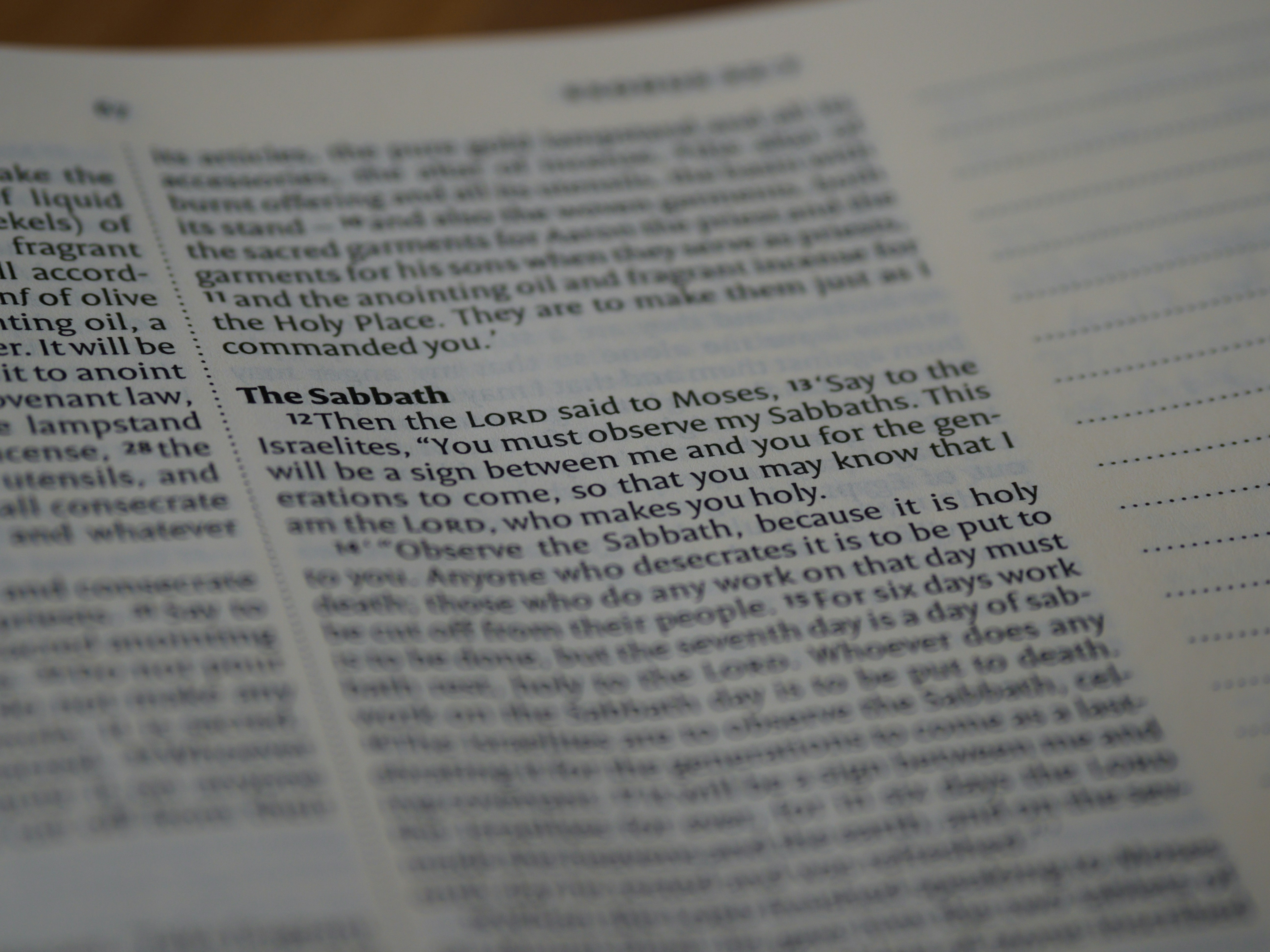
Introduction to the Sabbath
The Sabbath is widely recognized as a sacred day dedicated to rest, worship, and reflection, rooted deeply in various religious traditions. In the Judeo-Christian context, the Sabbath originates from the biblical account of creation, where it is noted that God created the world in six days and rested on the seventh. This divine ordinance not only marks a cessation of work but also signifies a time to connect with the spiritual essence of existence.
Historically, the Sabbath has been observed in different ways across cultures and denominations. In Judaism, the Sabbath begins at sundown on Friday and concludes at nightfall on Saturday, embodying a profound sense of community and family togetherness through rituals and prayers. Meanwhile, in Christianity, the concept has evolved, and many Christians observe Sunday as a day of worship and rest, reflecting on Jesus’s resurrection and the new covenant.
The significance of the Sabbath extends beyond mere cessation of work; it serves as a poignant reminder of the necessity to carve out regular moments for self-care and spiritual rejuvenation. In a world that often prioritizes productivity and busyness, the Sabbath invites individuals to pause and reconnect with their inner selves and their relationship with the divine. Taking a day to rest fosters greater mental clarity, emotional equilibrium, and a deeper appreciation for the beauty of creation. This sacred time allows believers to step back from daily demands and distractions, leading to a holistic approach to life that emphasizes both personal well-being and spiritual growth. Through observing the Sabbath, one acknowledges the importance of mindfulness, reflection, and the nurturing of one’s connection with God and others.
The Biblical Foundation of the Sabbath
The Sabbath, a cornerstone of Judeo-Christian practice, has its roots deeply embedded in the scripture, signifying a divine mandate for rest and worship. The establishment of the Sabbath can be traced back to the creation narrative in the Book of Genesis, where it is stated that God created the heavens and the earth in six days and rested on the seventh day (Genesis 2:2-3). This act of divine rest is not only foundational for understanding the Sabbath but serves as a model for humanity, illustrating the importance of rest in God’s design for life.
The significance of the Sabbath is further underscored in the Ten Commandments, specifically in Exodus 20:8-11, where the Lord commands the Israelites to “remember the Sabbath day, to keep it holy.” This commandment emphasizes both the observance of a day of rest and the act of honoring God through worship. The Sabbath is portrayed not merely as a day off from labor but as a sacred time for divine encounter and reflection, allowing individuals to rejuvenate spiritually and physically.
Moreover, the concept of the Sabbath extends beyond the Old Testament. In the New Testament, Jesus’ interactions show a fulfillment of the Sabbath’s true meaning, moving the focus from mere legalistic observance to an understanding of compassion and mercy (Mark 2:27). This illustrates how the Sabbath, while being an established commandment, embraces the underlying principle of love and relationship with God and others. The Sabbath then transforms from a rigid rule into a means of grace, reflecting the covenant between God and His people, inviting them into a rhythm of rest and spiritual renewal. As both a commandment and a gift, the Sabbath stands as a testament to God’s desire for His creation to thrive in both rest and worship.
Sabbath as a Day of Rest
The concept of Sabbath as a designated day of rest has profound implications for both physical and mental well-being. Traditionally observed by various religious communities, the Sabbath serves as a reminder of the necessity of rest amid our hectic lives. In today’s fast-paced society, the value of setting aside time for rejuvenation cannot be overstated. Engaging in regular periods of rest, particularly through the observance of the Sabbath, has been shown to yield significant benefits that contribute to overall health.
Numerous studies highlight the advantages of incorporating downtime into one’s weekly routine. Research indicates that taking breaks from work enhances not only productivity but also creativity. For instance, a study published in the journal “Cognitive Science” found that short breaks during work hours can lead to improved focus and a notable decrease in stress levels. Therefore, truly embracing the Sabbath involves more than mere cessation of labor; it encompasses an intentional shift towards spiritual reflection, relaxation, and reconnection with family and community.
Moreover, the mental health benefits of a Sabbath rest can be profound. Engaging in leisure activities, meditation, or even simple enjoyment of nature can lead to enhanced emotional states. A consistent practice of setting aside time for rest allows individuals to recharge mentally and emotionally, leading to decreased anxiety and increased resilience in facing life’s challenges. The American Psychological Association has also linked regular downtime with lower instances of burnout, underscoring the critical importance of periodic disengagement from routine pressures.
Ultimately, observing the Sabbath not only fosters a sense of peace and spiritual renewal but reinforces the idea that rest is an essential component of a balanced and fulfilled life. In acknowledging our inherent need for rest, we take significant steps towards better overall health and improved quality of life.
Worship and the Sabbath
The Sabbath is a designated day of rest that holds profound significance within various religious traditions. Central to the observance of the Sabbath is worship, which fosters a unique opportunity for individuals to come together as a community in faith. This communal aspect of worship is essential, as it not only reinforces social bonds but also enhances spiritual well-being through shared experiences of faith.
During the Sabbath, congregational worship typically includes collective prayer, singing hymns, and engaging in scriptural readings. These acts of worship serve to uplift the spirit, allowing participants to reflect on their beliefs, express gratitude, and seek guidance. The healing nature of communal worship cannot be overstated; it provides an environment where people can support one another in their spiritual journeys and find solace in shared devotion.
Moreover, congregational worship on the Sabbath promotes a sense of belonging and identity among the faithful. By gathering in worship, individuals are reminded that they are part of a larger community that shares similar beliefs and values. This fellowship is vital for spiritual rejuvenation, as it encourages individuals to connect not only with the divine but also with one another, creating a space where faith can flourish.
In addition to the communal aspects of worship, the Sabbath provides a rich opportunity for personal reflection. Individuals are encouraged to take time for solitude and contemplation, deepening their understanding of their beliefs. Engaging in personal prayer or meditation during the Sabbath hours allows worshippers to cultivate a strong personal relationship with God, facilitating spiritual growth.
Ultimately, the role of worship during the Sabbath is multifaceted, encompassing both collective and individual practices that enrich the spirit. As a day dedicated to rest, reflection, and community, the Sabbath emerges as a vital component in nurturing one’s faith and enhancing spiritual renewal.
Spiritual Renewal Through the Sabbath
The Sabbath serves as a profound opportunity for spiritual renewal, offering individuals a dedicated time to reconnect with the divine. This sacred day encourages practices that deepen one’s relationship with God and foster spiritual well-being. Meditation, prayer, and engaging with scripture are key activities during the Sabbath that can significantly enhance personal faith and understanding.
One of the central practices many engage in on the Sabbath is meditation. This practice allows for a focused period of reflection and contemplation, enabling individuals to clear their minds of daily distractions. By meditating on specific scriptures or divine truths, participants can cultivate a deeper awareness of God’s presence in their lives. This act of stillness can lead to renewed clarity and peace that often transcends the usual hustle and bustle of everyday life.
In addition to meditation, prayer plays a crucial role in the Sabbath experience. Devotional time spent in prayer fosters a personal connection with God, allowing for both communication and introspection. Through prayer, individuals can express gratitude, seek guidance, and submit their worries, which can lead to emotional and spiritual healing. Engaging in communal prayer can also strengthen bonds within families or faith communities, fostering a spirit of unity.
Furthermore, delving into scripture is an enriching practice that can nurture one’s spiritual growth. Reading and reflecting on sacred texts during the Sabbath provides believers with insights and wisdom that can guide their daily lives. Regular engagement with scripture not only deepens understanding but also encourages individuals to apply these teachings in their personal and communal relationships.
In conclusion, the Sabbath presents an invaluable opportunity for spiritual renewal through practices such as meditation, prayer, and engagement with scripture. By embracing these elements, individuals can enhance their spiritual well-being and cultivate a more profound relationship with God, ultimately leading to a rejuvenated sense of purpose and peace in their lives.
The Sabbath holds a significant place in religious observance, representing a time for rest, worship, and reflection. However, in today’s fast-paced world, the practice of honoring the Sabbath has witnessed notable transformations. With the onset of technological advancements and the relentless demands of modern life, many individuals find it increasingly challenging to set aside time for this sacred observance.
One of the primary challenges of maintaining Sabbath traditions in contemporary society is the omnipresence of work-related distractions. Many people grapple with the pressure to remain responsive to work emails and calls, which can intrude upon the quiet moments intended for spiritual nourishment. Additionally, the cultural ethos of constant productivity and availability often deters individuals from fully engaging in Sabbath rest.
Despite these barriers, there are several practical approaches individuals can adopt to integrate Sabbath principles into their lives. First and foremost, establishing clear boundaries is crucial. Setting aside specific times for work and ensuring that personal time is designated for rest can create a healthy balance. This boundary-setting also involves informing colleagues and family about one’s Sabbath observance, which can foster a supportive environment.
Furthermore, creating a Sabbath routine that includes communal worship, reflection, and periods of silence can enhance the experience significantly. Engaging in activities that promote leisure and rejuvenation, such as spending quality time with family or immersing oneself in nature, aligns with the principles of rest outlined in various religious teachings. Encouraging technology-free time during this sacred day can also facilitate a deeper connection to spiritual practices and offer respite from daily distractions.
By embracing these strategies, individuals can cultivate a meaningful Sabbath observance that is relevant to their modern lives, thus reaping the benefits of this divine gift amidst the complexities of contemporary existence.
Personal Testimonies of Sabbath Observance
The observance of the Sabbath has often been described as a profound experience that leads to personal transformation and spiritual renewal. Many individuals share their stories of how this sacred day has positively impacted their lives. For instance, Sarah, a working mother of three, recounts how dedicating the Sabbath to family meals and reflection has strengthened her relationships. She states, “The Sabbath is my sanctuary. It is a time when we disconnect from our devices and truly connect with each other and ourselves. Every week, I look forward to this moment of peace amid the chaos of daily life.”
Another poignant testimony comes from David, a retired firefighter who began observing the Sabbath for the first time later in life. He emphasizes how this day has helped him reconcile his busy work life with his spiritual beliefs. David mentions, “I used to struggle with stress and burnout. But dedicating the Sabbath to worship and rest has brought a sense of balance I didn’t realize I was missing. It’s a time when I reflect, pray, and recharge my spirit.”
The diversity of Sabbath practices highlights how individuals interpret and celebrate this sacred day in their unique ways. For instance, a young artist named Maria focuses on creativity during the Sabbath by engaging in painting and drawing as a form of worship. She often shares, “Creating art on the Sabbath allows me to express my gratitude and connect with the divine in a different way. It becomes a celebration of the beauty around me.”
These personal testimonies showcase the richness of the Sabbath as not merely a day of rest, but as a chance to experience and celebrate spirituality in multifaceted ways, highlighting its blessings and transformative power across different walks of life.
The Global Perspective on Sabbath Observance
The concept of a Sabbath, a designated day for rest and renewal, can be observed in various cultures and religions around the world. Though the specifics may differ, these practices share a common thread: the need for a break from daily labor and an opportunity for spiritual reconnection.
In Judaism, Sabbath, or Shabbat, is observed from Friday evening to Saturday evening. It is a sacred time when work is prohibited, and individuals engage in prayer, family gatherings, and reflection. This day is steeped in religious significance, commemorating God’s day of rest after creation, and serves as an essential rhythm that enriches the Jewish community.
Christianity also recognizes a day of rest, traditionally Sunday, which commemorates the resurrection of Jesus. Depending on denominational customs, this can manifest in various forms of worship, community service, and family time. Many Christians see Sunday as a day to partake in Mass or church services, fostering a sense of community and spiritual vigilance.
In Islam, Friday holds particular significance as a day for congregational prayers known as Jumu’ah. While not classified as a Sabbath per se, this day serves as a weekly opportunity for Muslims to gather for prayer and reflection, emphasizing communal ties and spiritual devotion.
Hinduism and Buddhism each offer their own interpretations of rest and spiritual observance. In Hinduism, numerous festivals align with specific days that encourage fasting and reflection, promoting spiritual wellness. Similarly, in some Buddhist traditions, the practice of taking a day for meditation and mindfulness serves as a form of rest from the hustle of daily life.
Across these varied traditions, the commonality lies in the profound recognition of the necessity for a break from the quotidian, a built-in time for family, worship, and connection with the divine. This universal practice highlights the innate human need for rest and sacred reflection, fostering spiritual growth and communal bonds around the world.
Conclusion: Embracing the Blessings of the Sabbath
In reflecting on the significance of the Sabbath, it becomes clear that this divine gift serves multiple purposes. It offers a dedicated time for individuals to pause from their daily labor, engage in worship, and foster spiritual renewal. By observing the Sabbath, individuals are encouraged to cultivate a deeper connection with their faith, paving the way for a more fulfilling spiritual life. The notion of rest is not merely physical; it encompasses emotional and spiritual rejuvenation, allowing for a holistic approach to well-being.
The practice of Sabbath observance provides meaningful opportunities for personal reflection, family bonding, and communal worship. Through setting aside this special time, individuals can immerse themselves in spiritual activities, whether through prayer, scripture study, or participation in rituals that honor their beliefs. Additionally, embracing traditions associated with the Sabbath can enhance one’s experience, fostering a profound sense of belonging within a faith community.
In summary, the Sabbath is a crucial element of many religious traditions, heralded as a time to step away from the distractions of modern life. By prioritizing this day of rest, individuals not only honor a sacred commandment but also reap the benefits of peace, clarity, and spiritual growth. Ultimately, the blessings that accompany a proper observance of the Sabbath encourage individuals to nurture their inner lives and strengthen their connections with others. Therefore, it is essential for everyone to embrace and integrate the teachings of the Sabbath into their lives, recognizing it as a precious opportunity for rejuvenation and devotion that can transform one’s spiritual journey.