

Introduction to Creation Myths
Creation myths are narratives that interpret the origins of the universe, life, and human existence across diverse cultures. They serve as fundamental frameworks through which societies understand and contextualize their existence, often encapsulating the values, beliefs, and worldview of the community from which they emerge. These myths provide insight into how different civilizations perceive the cosmos, offering explanations for phenomena that might otherwise be seen as mysterious or unfathomable.
Throughout history, creation myths have taken on numerous forms, ranging from oral traditions to written scriptures. They often characterize the creation of the world as a dynamic process involving a variety of deities, cosmic forces, or primordial elements. For instance, in some cultures, the universe is believed to have originated from a formless void, while in others, creation may stem from a divine entity’s will or a series of cosmic events. This diversity reflects the rich tapestry of human culture and underscores the common need to seek answers to profound questions regarding existence.
The significance of these myths extends beyond mere storytelling; they play a pivotal role in shaping a society’s identity and moral structure. Creation myths often dictate social norms, rituals, and cultural practices, thereby influencing how communities interact with their environment and with one another. By providing a story of beginnings, they foster a sense of belonging and continuity, linking generations past and present.
Ultimately, the exploration of creation myths reveals not only the varied interpretations of our origins but also highlights the universal quest for understanding that is inherent in the human experience. As such, these narratives remain a critical aspect of anthropology, religious studies, and cultural history, encouraging us to reflect on the myriad ways in which we define our place in the universe.
The Scientific Perspective on the Creation of the Universe
The scientific explanation for the creation of the universe primarily hinges on the widely accepted Big Bang Theory. This theory posits that approximately 13.8 billion years ago, the universe began from an infinitely hot and dense point, often referred to as the initial singularity. From this singularity, the universe began to expand rapidly in a process classified as cosmic inflation. This dramatic expansion fundamentally altered the fabric of space-time, setting the stage for the development of our universe as we know it.
In the moments following the Big Bang, the universe underwent significant cooling, allowing for the formation of fundamental particles. Within the first few minutes, protons and neutrons began to combine, leading to the creation of the first atomic nuclei, primarily hydrogen and helium. This set the groundwork for the formation of the earliest galaxies, stars, and, eventually, planets. Over the ensuing billions of years, the gravitational forces acting on these early structures enabled them to coalesce into galaxies, marking a pivotal transition in the universe’s evolution.
The evidence supporting the Big Bang Theory is compelling and multifaceted. Observations of the cosmic microwave background radiation (CMBR) provide a relic signal from the early universe, offering valuable insights into its temperature fluctuations. Additionally, the redshift of distant galaxies, discovered by Edwin Hubble, signifies that the universe is continuously expanding. This aligns seamlessly with the predictions of the Big Bang Theory, further reinforcing its credibility.
Understanding the creation of the universe through this scientific lens not only illuminates our cosmic origins but also deepens our appreciation for the intricate processes that govern the fabric of reality. Through the lens of the Big Bang Theory, we can explore humanity’s place in the vast universe and our continuous quest for knowledge about the cosmos.
Religious Views on Creation
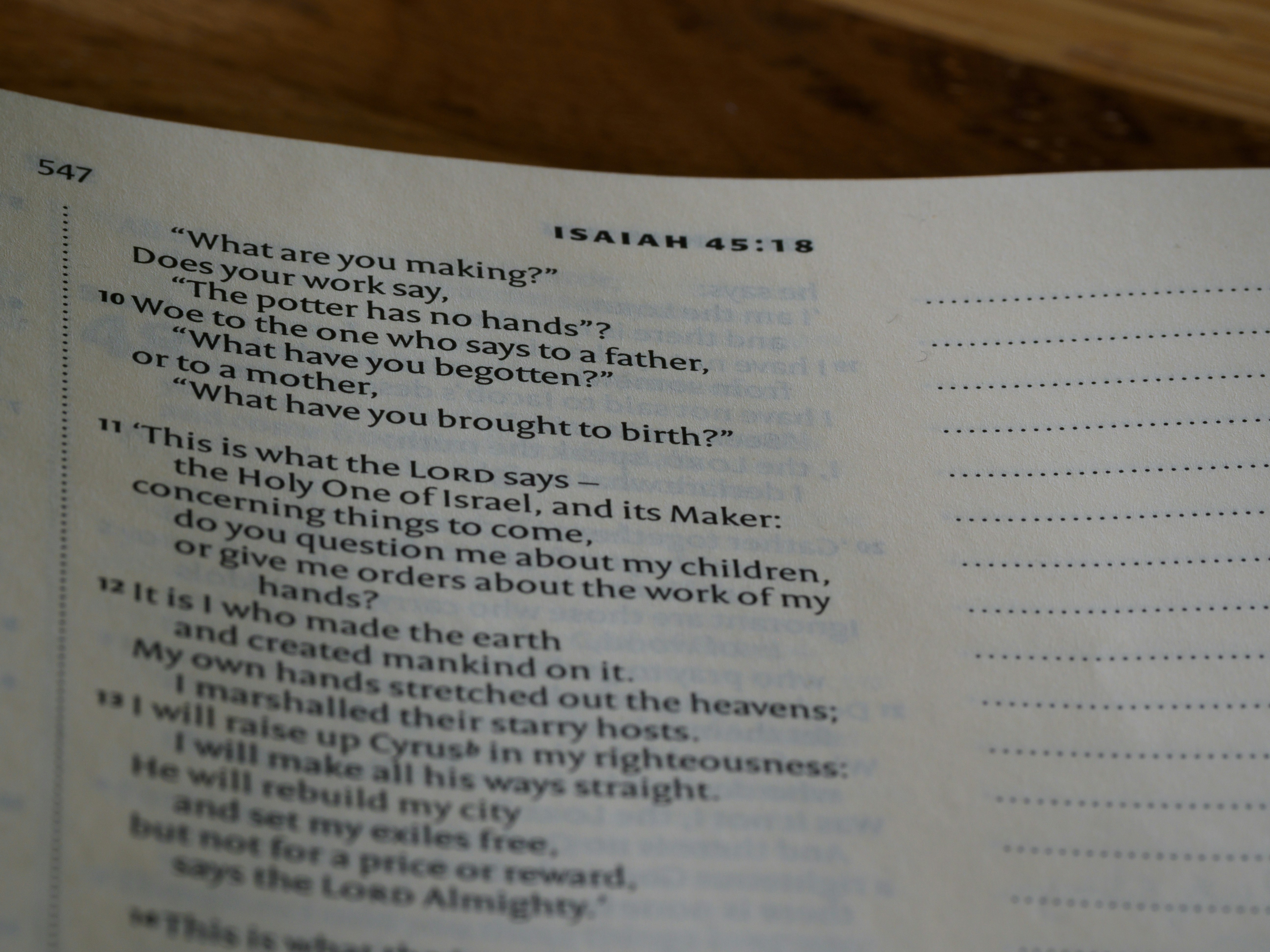
The creation of the world has been a fundamental concept in various religious traditions. Each religion offers unique narratives that explain our origins and the processes by which the universe and humanity came into being. Among these, the Judeo-Christian tradition provides one of the most well-known accounts through the Book of Genesis, wherein God creates the world in six days, culminating in the creation of humanity in His image. This narrative emphasizes the intentionality and order of creation, presenting a Creator who actively shapes existence.
In contrast, Hinduism encompasses a diverse array of creation stories. Among these, one prominent narrative involves the cosmic being Vishnu, who creates the world from the primordial waters after a period of cosmic sleep. This cycle of creation, preservation, and dissolution—known as samsara—illustrates the belief in an ongoing process, rather than a singular event. Hinduism’s emphasis on cyclical time offers a distinct perspective that sees creation as an eternal recurrence, rather than a linear progression.
The Islamic tradition also presents a unique view of creation as articulated in the Quran. The Quran describes Allah as the sole creator who fashioned the heavens and the earth in six periods. This account emphasizes the omnipotence and singular authority of Allah in the act of creation. The notion of human beings as stewards of the earth is also central in Islam, suggesting a relationship of responsibility towards the creation.
Moreover, many Indigenous belief systems emphasize a profound connection between the environment and the divine, often depicting creation as a collaborative process involving numerous deities and spirits. These narratives frequently highlight the sacredness of nature and the interconnectedness of all creation, further diversifying the understanding of our origins across cultures.
Cultural Variations in Creation Stories
The exploration of human origins reveals a remarkable tapestry of creation stories that reflect the rich diversity of cultures across the globe. Each culture’s narrative provides unique insights into their values, beliefs, and understanding of the world. African, Native American, and Asian mythologies, in particular, showcase this diversity through a multitude of perspectives on how life came to be.
In many African cultures, creation stories often emphasize the importance of the community and nature. For instance, the Yoruba people of Nigeria recount how the deity Obatala molded the first human beings from clay, while the creator god Olodumare breathed life into them. This narrative highlights a deep connection to the earth and an understanding that human life is intrinsically linked to nature, governing social relationships and cultural identity.
Contrastingly, Native American creation myths encompass a range of themes that reflect their distinct environmental settings and social structures. The Lakota tribe, for example, tells of the emergence of the first humans from the Black Hills, a sacred site representing a connection to the land and an embodiment of spirituality. Such stories often illustrate the significance of harmony with nature and the interdependence of all forms of life, shaping the cultural identity of the tribes across North America.
Asian creation myths also provide a fascinating glimpse into cultural identities. In Hindu mythology, the universe’s creation is often attributed to the cosmic sound “Om” and the deity Vishnu, who creates from the cosmic ocean. This cosmological perspective emphasizes the cyclical nature of creation and existence, a theme prevalent in various Asian philosophies. These narratives not only shape cultural identity but also influence religious beliefs and practices, reflecting the inherent connection between creation, identity, and spirituality.
Understanding these diverse creation stories is essential as they preserve the history, traditions, and identities of cultures worldwide, offering rich insights into human existence over the ages.
Symbolism and Themes in Creation Myths
Creation myths, which articulate the origins of the universe and humanity, often revolve around central themes and symbols that resonate across cultures. A recurrent motif is the contrast between chaos and order. Many myths depict a primordial state of chaos, representing the void or darkness from which creation emerges. This transformation signifies the establishment of order and harmony within the cosmos. The cyclical nature of chaos and order reflects humanity’s understanding of existence and the inherent balance needed to thrive.
Another significant theme is the role of deities in the act of creation. Deities are often personifications of natural forces or cosmic principles, as their involvement in the creation process underscores the connection between humanity and the divine. Different cultures portray these deities in various ways—some as benevolent creators who bestow life and prosperity, while others depict them as capricious beings whose whims govern the universe. This divine interaction with the world illustrates humanity’s search for meaning and the acknowledgment of forces beyond human control.
Furthermore, nature plays a pivotal role in these narratives, illustrating the deep-seated relationship between humanity and the environment. Creation myths often highlight the interconnectedness of all living things, emphasizing the need for harmony and respect for nature. These stories serve as a reminder of humanity’s place within the larger web of life and the responsibility that comes with it. In essence, the themes and symbols present in creation myths provide profound insights into cultural values and the significance attributed to the cosmos, reflecting both reverence and caution in humanity’s existence.
The Role of Myths in Understanding Existence
Creation myths serve a fundamental purpose in helping individuals and societies understand their existence and place in the universe. These narratives, often rich in cultural symbolism, provide frameworks through which people can interpret the complexities of life, death, and the cosmos. By articulating the origins of the earth and humanity, myths not only explain how life came into being but also address profound philosophical questions about why we exist and what our purpose might be.
Philosophically, myths interact with existential inquiries that have permeated human thought for millennia. They present a tapestry of ideas that encompass the nature of creation, the interplay between the divine and the mortal, and humanity’s role in a seemingly indifferent universe. In this regard, different cultures have crafted diverse narratives that resonate with their specific beliefs, historical contexts, and social structures. For example, in some traditions, creation occurs through the actions of gods, while in others, it is the result of primordial chaos giving birth to order. These narratives reflect not only the spiritual beliefs of the cultures from which they arise but also their understandings of human existence.
Moreover, myths provide comfort and meaning in response to life’s uncertainties. They reassure individuals by suggesting that there is an inherent design or purpose to existence, which can serve as a solace during times of crisis or transition. The reassurance found in these stories often alleviates existential dread by framing human experiences within a larger context, imbuing them with significance beyond mere survival. The traditions of storytelling foster community bonds, as shared myths become sites of collective identity and understanding. Consequently, creation myths remain a vital aspect of human culture, enabling societies to articulate their origins, gather strength from their past, and navigate the complexities of existence.
Creation Myths in Literature and Art
Creation myths have played a significant role in shaping the narratives found in literature and art across cultures and epochs. These foundational stories explain the origins of the universe, humanity, and the interplay between the natural and the divine. They serve not only as cultural cornerstones but also as rich sources of inspiration for artists and writers throughout history. The themes of creation myths often illuminate universal human questions about existence, identity, and morality.
Literary works frequently draw on these ancient stories. Prominent examples include John Milton’s “Paradise Lost,” which retells the biblical creation narrative, exploring themes of free will and redemption. This epic poem has influenced countless literary figures, prompting them to delve into the juxtaposition of chaos and order in their own narratives. Similarly, in contemporary literature, authors often reinterpret creation myths, weaving them into modern contexts to address contemporary social and philosophical issues.
In visual arts, creation myths have been depicted in various mediums from prehistoric cave paintings to modern installations. Artists like William Blake and Wassily Kandinsky have examined and reinterpreted these myths, employing symbolism to express profound insights about existence and spirituality. Additionally, the Renaissance period saw a resurgence of interest in classical creation myths, as artists like Michelangelo and Botticelli depicted scenes from religious narratives, blending theology with artistry.
The impact of creation myths on modern storytelling is evident in film and theater, where they provide a narrative framework for exploring complex themes. Films such as “2001: A Space Odyssey” integrate elements of creation myths, enabling filmmakers to address existential themes through innovative storytelling techniques. As the discourse around creation evolves, so too does the artistic interpretation, highlighting the ongoing relevance and adaptability of these foundational stories.
Modern Interpretations and Adaptations
The evolution of creation narratives continues to unfold in contemporary literature, media, and popular culture, reflecting a dynamic interplay between ancient myths and modern sensibilities. In recent years, many authors and creators have taken liberties to reinterpret traditional stories, integrating contemporary themes and issues into these ancient frameworks. This has resulted in a variety of adaptations that not only maintain the essence of the originals but also resonate with a modern audience.
For instance, novels such as “American Gods” by Neil Gaiman blend mythological figures with contemporary settings, allowing readers to explore traditional creation stories through the lens of modern life and cultural conflicts. Similarly, films like “The Tree of Life” by Terrence Malick navigate existential questions and creation themes, drawing inspiration from biblical stories while providing a visually stunning and philosophical exploration of existence. The incorporation of such narratives into popular culture illustrates the continued relevance of creation myths in articulating complex ideas about humanity, nature, and the universe.
Furthermore, contemporary visual artists and performers have also embraced these ancient narratives, often using them as a foundation for new works. Street art, theater performances, and digital media installations often reinterpret traditional creation stories to comment on current social issues, such as environmental degradation, identity, and conflict. This modern engagement with creation myths reveals an ongoing quest for meaning and connection to our origins, prompting audiences to reconsider their own beliefs and values.
By reinvigorating these age-old tales within current frameworks, modern adaptations allow audiences to engage with fundamental questions of existence in a way that is both accessible and thought-provoking. Through literature and other forms of media, the exploration of creation narratives continues to inspire dialogue and reflection on the nature of our world and the stories that shape our understanding of it.
Conclusion: The Unending Quest for Knowledge
Throughout history, humanity has engaged in a profound exploration of our origins, seeking to unravel the complexities surrounding the creation of the world. This quest has manifested through diverse narratives, including scientific theories, religious texts, and cultural myths. Each perspective provides unique insights and fosters a deeper understanding of our place in the universe.
From the scientific inquiry of cosmology and evolutionary biology to the rich tapestries of myths and religious stories, the journey of knowledge is dynamic and ever-evolving. The scientific community continues to investigate the mysteries of the Big Bang, the formation of galaxies, and the intricate processes of life on Earth. Meanwhile, philosophical and theological discussions encourage us to reflect on moral and existential questions, urging us to consider not only how the universe came to be but also why it matters.
The implications of these narratives extend beyond mere knowledge accumulation. They challenge our conception of reality, prompting us to wonder about the nature of existence and the interconnectedness of all living beings. Through this process, the enduring human spirit of inquiry shines forth, illustrating our innate desire to comprehend our origins and the universe at large.
As we synthesize these various perspectives, we recognize that understanding our origins is not solely an academic pursuit; it is a vital part of what it means to be human. The quest for knowledge is unending, with each discovery inviting further questions. In essence, embracing this multifaceted exploration fosters a greater appreciation for the world we inhabit and the collective journey we undertake as seekers of truth.
