

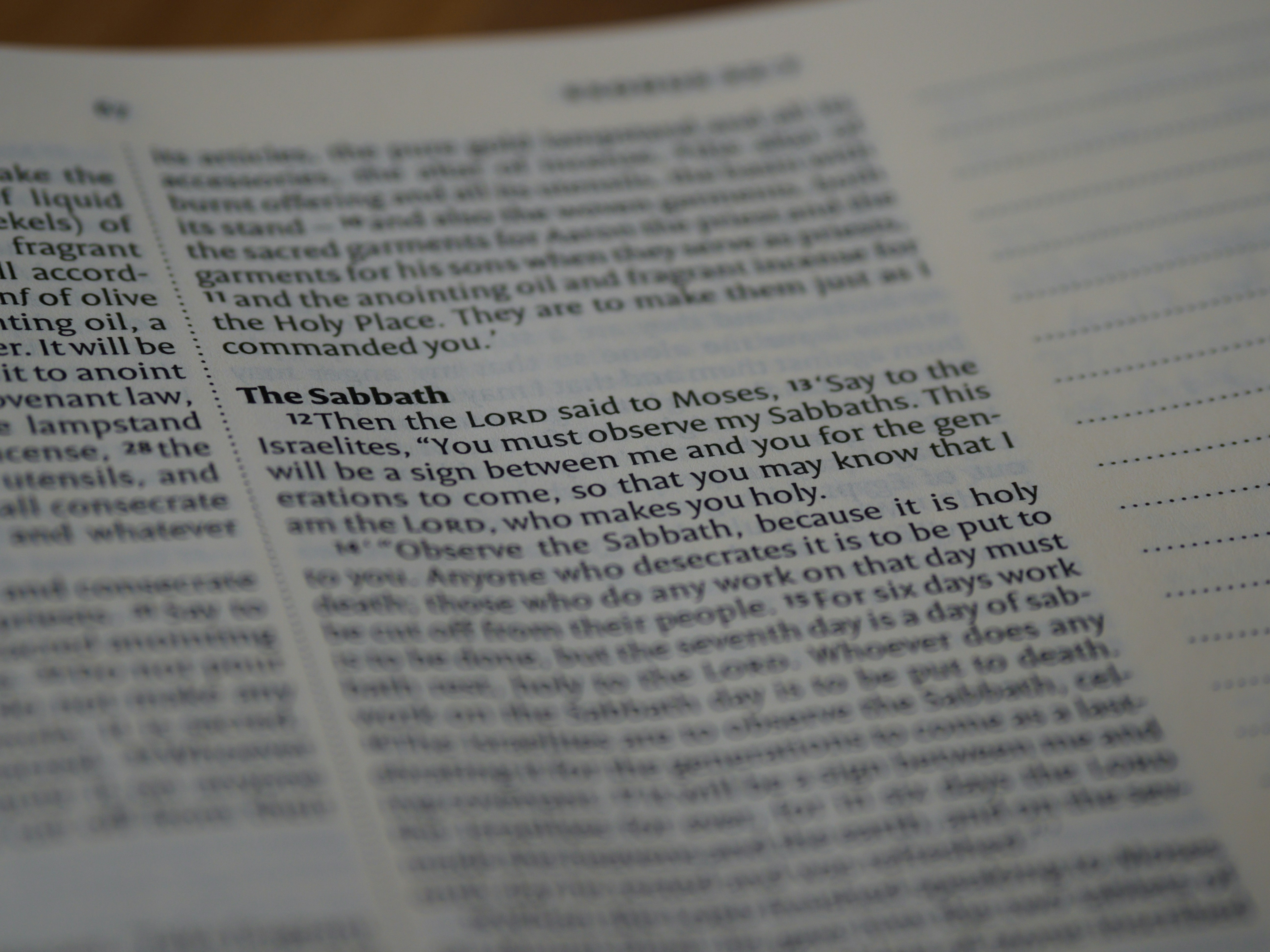
Understanding the Concept of the Sabbath
The Sabbath, a day of rest and devotion, finds its origins rooted in the biblical narrative, specifically in the Book of Genesis. According to the creation story, God created the world in six days and rested on the seventh. This ultimate pause symbolizes not only completion but serves as a divine model for human behavior. The establishment of the Sabbath as a holy day is marked by the divine commandment to observe it and keep it sacred, as articulated in Exodus 20:8-11. This framework sets the tone for understanding the theological implications of the Sabbath.
The significance of the Sabbath goes beyond mere cessation from work; it embodies the relationship between God and humanity. It is a time designated for reflection, worship, and community, emphasizing the importance of spiritual renewal. As such, the Sabbath functions as a reminder of the Creator’s sovereignty over creation, affirming the belief that one’s worth is not solely tied to productivity but also to the innate dignity of human beings as created in the image of God.
In a broader theological context, the Sabbath serves as a prototype for rest and holiness. It underscores the principle of sabbatical rest found throughout Scripture, which extends to various forms of intentional pauses in the lives of believers. Furthermore, Jesus’ teachings on the Sabbath in the New Testament reveal its purpose—to restore humanity, rather than to impose legalistic restrictions. This adds nuance to the understanding of the Sabbath, highlighting its role as both a physical and spiritual sanctuary. Thus, the Sabbath emerges as a vital aspect of biblical teaching, carrying profound implications for faith and practice that continue to resonate with religious communities today.
Sabbath Observance in the Old Testament
The concept of the Sabbath holds profound importance in the Old Testament, encapsulating not only a day of rest but a divine commandment deeply rooted in the Israelite identity. The Fourth Commandment, as stated in Exodus 20:8-11, explicitly instructs the Israelites to remember the Sabbath day and keep it holy. This commandment emphasizes the necessity of rest on the seventh day, aligning with the creation narrative where God rested on the seventh day after six days of creating the world.
To ensure compliance with this commandment, a series of laws were formulated regarding Sabbath observance, shaping both individual practices and communal norms. The prohibition of work is central to these laws, as articulated in Exodus 20:10. This decree specified that neither the Israelites nor their servants or animals were to engage in any form of labor on the Sabbath. Activities deemed as work included agricultural tasks, trade, and even the kindling of fire, which reflects the importance of rest during this holy day.
The cultural significance of the Sabbath extends beyond mere rest, acting as a reminder of Israel’s liberation from slavery in Egypt, as referenced in Deuteronomy 5:15. This act of remembrance reinforces the values of freedom and divine provision, which were pivotal for the Israelites’ collective memory. Additionally, the Sabbath served as a unifying observance, differentiating the Israelites from neighboring communities and establishing a rhythm of life centered around worship and communal gatherings.
By adhering to these laws and practices regarding Sabbath observance, the Israelites reaffirmed their covenant with God, illustrating how integral this day of rest was to their religious and social fabric. Ultimately, the Sabbath symbolizes a unique relationship with the Creator, inviting the faithful into a sacred rhythm of work, rest, and worship that remains relevant in contemporary discussions of faith and practice.
The Sabbath and the Ten Commandments
The observance of the Sabbath is one of the central tenets of the Ten Commandments, a collection of ethical guidelines foundational to the moral framework of the Israelites. Within this biblical framework, the commandment to keep the Sabbath holy is explicitly stated in Exodus 20:8-11. This passage not only emphasizes the importance of setting aside a day for rest but also provides the rationale behind this divine edict.
According to the scripture, the Sabbath is to be observed on the seventh day of the week, echoing the completion of the creation work by God. The commandment instructs individuals to refrain from work during this day, extending this mandate to family members, servants, and even livestock. This inclusive directive highlights the value placed on communal rest and rejuvenation, underscored by the understanding that all of creation benefits from a period of cessation from labor.
Furthermore, the rationale for keeping the Sabbath is rooted in the narrative of creation, where it is stated that God rested on the seventh day after completing His works. This not only establishes a divine example for humanity but also reinforces the notion of rest as a restorative necessity. By dedicating a specific day to rest, reflection, and spiritual renewal, the Israelites could cultivate a deeper relationship with God, reflecting on His blessings and their covenant with Him.
In the broader context of moral laws, the Sabbath commandment serves as a reminder of balance in life — between labor and rest, spiritual and physical needs. It implies a structured time for worship and community building, thereby enriching the collective spiritual experience of the Israelites. The inclusion of the Sabbath in the Ten Commandments emphasizes its significance, asserting that honoring this day is integral to both individual and communal faith practices.
Jesus and the Sabbath: A New Perspective
In the New Testament, Jesus presents a transformative view of the Sabbath, moving beyond the stringent legalistic interpretations of His time. His approach was characterized by acts of compassion and a profound understanding of the Sabbath’s original intent. One of the most notable instances of this is found in the Gospels, where Jesus healed individuals on the Sabbath, much to the dismay of the Pharisees and religious leaders, who rigidly observed the laws governing this holy day.
For example, in the Gospel of Mark 2:27, Jesus proclaims, “The Sabbath was made for man, not man for the Sabbath.” This statement highlights that the Sabbath is intended for the benefit and refreshment of humanity rather than serving merely as a legalistic requirement. Jesus emphasized that acts of mercy and kindness are entirely in line with the true purpose of the Sabbath, which is to provide rest and rejuvenation.
Moreover, throughout various accounts, Jesus confronts the prevailing interpretations that restrict human activity on the Sabbath. In Luke 13:10-17, He heals a woman who had been bent over for eighteen years, challenging the notion that healing was prohibited on this day. His actions demonstrate that the spirit of the Sabbath encompasses healing and restoration, aligning with the fundamental principles of love and compassion.
Jesus’ teachings on the Sabbath consistently redirect focus from mere rule-keeping to a more profound relationship with God. By liberating the Sabbath from legalism, He invites individuals to experience its intended joy and peace. In this light, the Sabbath transforms from a burdensome obligation into an opportunity for connection with the divine, embodying both rest and restoration, thereby reshaping perspectives on this sacred day.
Theological Interpretations of the Sabbath
The concept of the Sabbath holds profound significance in the Christian faith, encompassing a rich tapestry of theological interpretations that vary among different denominations. Traditionally, the Sabbath is understood as a day set apart for rest and spiritual reflection, grounded in the creation narrative found in Genesis where God ceased His work on the seventh day. This foundational theological principle fosters a deeper connection between the believers and their Creator, establishing a rhythm of work and rest that is essential for spiritual renewal.
Different Christian denominations emphasize various aspects of the Sabbath observance, particularly regarding the day of rest. For instance, most Protestant groups advocate for a Sunday observance, aligning the Sabbath with the resurrection of Jesus Christ. This perspective frames Sunday as a new covenant day that signifies salvation and the importance of worship in the communal life of believers. In contrast, Seventh-day Adventists uphold Saturday as the true Sabbath, citing the fourth commandment, “Remember the Sabbath day, to keep it holy,” as a directive to maintain the original day of rest established in the Judeo-Christian tradition.
Furthermore, some theologians argue that the Sabbath reflects a broader theological theme of liberation and deliverance. The Sabbath symbolizes not only a cessation from physical labor but also serves as a reminder of God’s deliverance from bondage, as emphasized in the Exodus narrative. These varying interpretations inform the significance of the Sabbath in worship and community life, prompting adherents to engage in practices that foster spiritual growth, family bonding, and social justice. Through these diverse lenses, the Sabbath emerges as a vital component of Christian identity, representing both continuity with Jewish tradition and a reflection of evolving theological understandings within Christianity.
Sabbath as a Symbol of Rest and Restoration
The concept of the Sabbath holds profound significance within biblical scripture, embodying notions of rest and restoration essential to the Creator’s design. Originating from the creation narrative in Genesis, the Sabbath is established as a day of cessation from work, highlighting not only God’s completion of His creative tasks but also inviting humanity into a rhythm of life that values rest. This act of resting on the seventh day is a deliberate reminder of the importance of pausing to reflect and rejuvenate both physically and spiritually.
Throughout scripture, the Sabbath is portrayed as a day of spiritual renewal. It serves as an opportunity for believers to reconnect with God, engage in communal worship, and foster relationships within their faith community. By setting aside this sacred time, individuals and families can draw closer to divine grace, cultivating a deeper understanding of God’s mercy. As articulated in Exodus 31:15, the Sabbath is not merely a day off work; it is a holy day dedicated to the Lord, reinforcing the notion that rest is an integral component of the faith experience.
Moreover, the symbolism attached to the Sabbath extends beyond physical rest; it serves as a foreshadowing of the ultimate rest found in Christ. The New Testament reveals Jesus as the fulfillment of the Sabbath, offering spiritual salvation and eternal peace to believers. In this sense, adhering to the principles of the Sabbath invites an opportunity for restoration, not just in a physical capacity but in a holistic spiritual context. It reflects the ultimate promise that through faith in Christ, believers can experience true rest for their souls, thus fulfilling the deeper meaning of the Sabbath.
Contemporary Observance of the Sabbath
The practice of observing the Sabbath has evolved significantly in contemporary Christianity, with variations that reflect cultural, denominational, and individual preferences. Traditionally, the Sabbath is a day of rest stemming from the biblical creation narrative, symbolizing both a physical and spiritual cessation from work. Today, many Christians still observe this day as a means of honoring this ancient principle, grounding their week in spiritual rejuvenation. However, the specific practices observed can differ profoundly among various groups.
Some denominations, such as Seventh-day Adventists, maintain a strict observance of the Sabbath on Saturday, encompassing worship, rest, and family gatherings. In contrast, most other Christian groups observe the Sabbath on Sunday, viewing it as a day for communal worship and reflection on Jesus’ resurrection. Regardless of the day chosen, the core intent remains the same: to set aside time for God, community, and personal reflection.
In our modern, fast-paced society, the relevance of the Sabbath is particularly pronounced. With the constant pressures of work, technology, and social obligations, many individuals are increasingly recognizing the need for intentional disengagement. Setting aside a specific time for rest and reflection can provide significant mental and emotional benefits, allowing individuals to recharge and reconnect with their spirituality. Whether through quiet meditation, family activities, or community service, the Sabbath serves as a critical reminder to prioritize wellness and spiritual health amid daily distractions.
Moreover, the observance of the Sabbath challenges Christians to consider their overall lifestyles. It can inspire them to seek balance and to resist the urge to fill every moment with productivity, thereby fostering a more fulfilled existence. Ultimately, the act of carving out dedicated time for rest and reflection underscores the timeless wisdom that, in today’s busy world, such practices are not merely beneficial but essential for holistic well-being.
Challenges to Sabbath Observance Today
In contemporary society, the observance of the Sabbath faces numerous challenges that can hinder individuals and communities from fully embracing this day of rest. One of the most significant pressures comes from societal expectations and cultural norms that prioritize constant productivity and availability. In many work environments, employees are often encouraged—or even required—to stretch their availability beyond the traditional workweek, thus encroaching upon time that could be reserved for Sabbath observance.
Furthermore, the increasing competitiveness of modern life can lead individuals to perceive the Sabbath as an obstacle rather than a benefit. Many people feel compelled to sacrifice a day of rest in favor of meeting deadlines, attending social commitments, or engaging in various activities that contribute to their professional and personal development. This created a culture where the idea of taking a complete day off can be viewed as impractical or irresponsible.
Another challenge to Sabbath observance is the pervasive impact of technology. The advancements in communication tools and devices have blurred the boundaries between work and personal life. With the ability to access emails, messages, and work-related tasks at any time, many individuals find it increasingly difficult to disconnect from their obligations, even during designated times of rest. The expectation to remain reachable and responsive can significantly undermine the intention of the Sabbath as a time for spiritual reflection and rejuvenation.
In addition to these societal pressures, individuals may encounter varying degrees of support from their communities. Those who wish to honor the Sabbath may find themselves isolated if their family, friends, or coworkers do not share similar values or practices. This lack of communal reinforcement can lead to discouragement and ultimately diminish the motivation to observe the Sabbath faithfully.
Conclusion: The Lasting Impact of the Sabbath
The Sabbath, as elucidated within the scriptures, serves not merely as a day of rest but as a profound reflection of divine order and human wellness. From the initial creation narrative in Genesis to Jesus’ commendations in the Gospels, the Bible consistently emphasizes the importance of dedicating time to rest and rejuvenation. This sacred cessation from labor is a commandment intended to benefit the individual as well as the community, allowing for spiritual reflection and physical restoration.
In today’s fast-paced society, where the demands of work often overshadow the need for rest, the timeless principles of the Sabbath hold significant relevance. They invite individuals to step back from relentless pursuits and engage in activities that foster spiritual growth and emotional balance. The Sabbath encourages practices such as mindfulness and gratitude, advocating for a break that nurtures both body and spirit.
Moreover, the concept of Sabbath can be seen as a call for social justice, reminding us to acknowledge the needs of those who labor tirelessly without respite. This aligns with biblical teachings that emphasize care for the oppressed and the marginalized, advocating for a holistic approach to rest that includes uplifting others. Incorporating Sabbath principles into daily life can thus transform not only personal routines but also community dynamics, creating a more compassionate society.
As we reflect on the significance of the Sabbath, it is crucial to consider how its teachings can be interwoven into our modern lives. Setting aside time for rest, worship, and reflection is not merely an ancient practice; it is a necessary antidote to our contemporary lifestyle’s chaos. By valuing the Sabbath, we honor a rhythm of life that aligns with the divine purpose laid out in scripture, ensuring harmony within ourselves and our communities.