

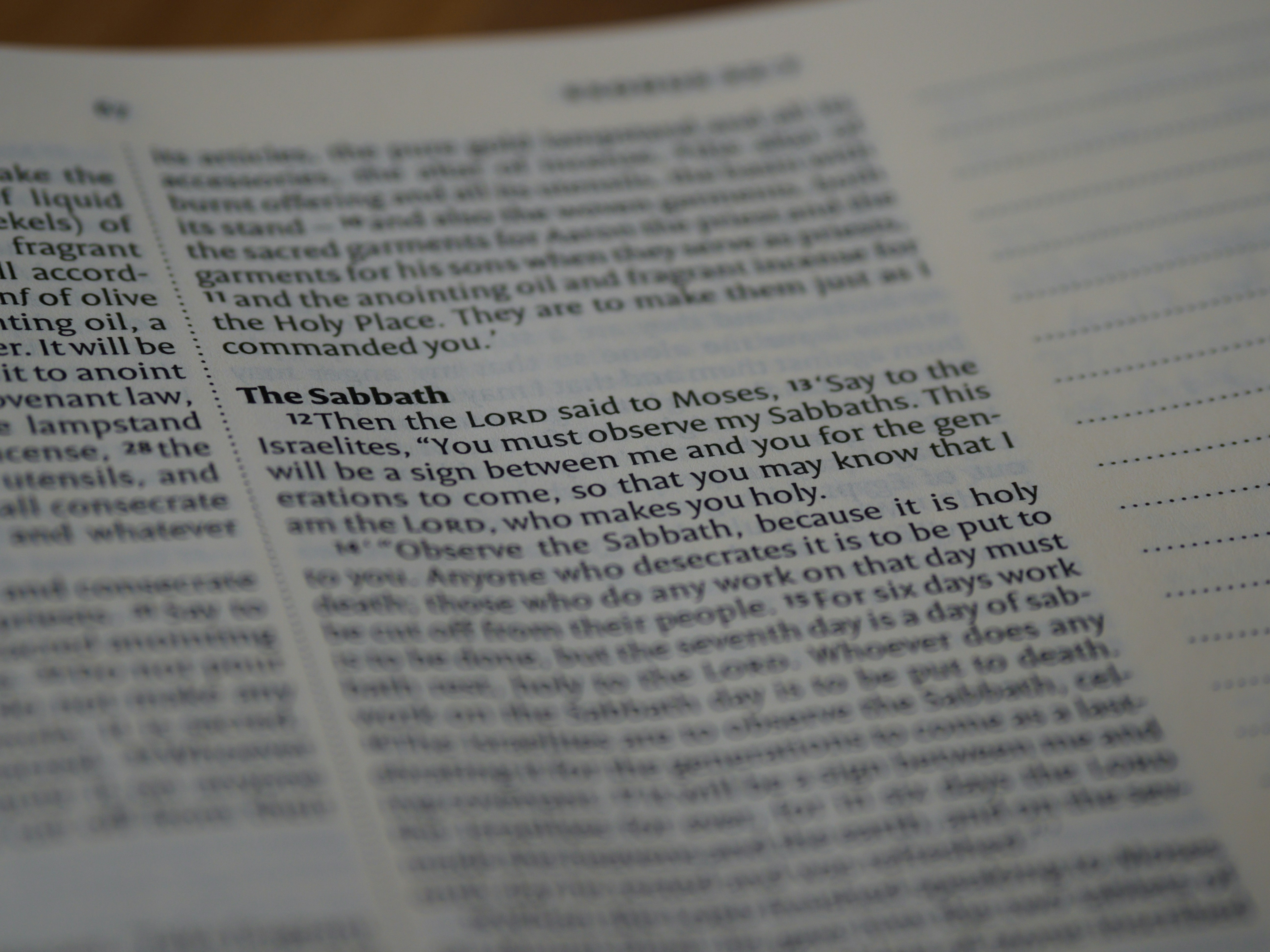
Introduction to the Sabbath
The Sabbath is widely recognized as a holy day of rest and worship, primarily observed on Saturday by various religious groups, most notably within Judaism and Christianity. This day holds deep significance, both historically and spiritually, as a time specifically set aside for reflection, community, and divine connection. From ancient traditions to contemporary practices, the Sabbath serves as a cornerstone of faith for millions around the globe.
Historically, the concept of the Sabbath can be traced back to the biblical creation narrative, wherein God created the world in six days and rested on the seventh. This foundational event established a pattern for humanity, emphasizing the importance of rest and spiritual renewal. For adherents of the Jewish faith, the Sabbath is a sacred obligation, commemorated with various rituals and observances that promote an environment conducive to worship and familial bonding.
In Christian traditions, the observance may vary; some denominations uphold the Saturday Sabbath while others celebrate Sunday as their day of worship, commemorating the resurrection of Jesus Christ. Despite these differences, both practices share a common thread—the recognition of the need for a dedicated time for spiritual engagement and rest from the busyness of everyday life.
This blog post seeks to explore the various aspects of the Sabbath, delving into its religious significance and the diverse ways it is honored across different faiths. We will examine its historical roots, contemporary practices, and the overarching themes of rest and worship that unify these traditions. By doing so, we aim to provide a comprehensive understanding of the Sabbath as a vital element of spiritual life.
Historical Roots of the Sabbath
The Sabbath has deep historical roots, primarily found in the religious texts and traditions of Judaism and Christianity. According to the Hebrew Bible, the Sabbath was instituted during the creation narrative, a pivotal moment where it is stated that God completed His work in six days and rested on the seventh. This day of rest is enshrined in the fourth commandment, which instructs believers to observe the Sabbath as a holy day, reflecting the divine example set during creation.
Over time, the Sabbath evolved into a multifaceted observance, extending beyond mere rest to encompass worship, family gatherings, and communal responsibilities. Early Jewish communities established various customs surrounding the Sabbath, such as the lighting of candles at sunset Friday and the prohibition of work-related activities. These practices not only signify rest but also affirm a collective identity grounded in religious tradition.
In the early Christian tradition, the significance of the Sabbath began to shift, particularly as the resurrection of Jesus became the focal point of worship. The shift from Saturday, the traditional Jewish Sabbath, to Sunday—now referred to as the Lord’s Day—was gradually embraced by Christians. This transformation reflected a broader theological understanding and adaptation to the teachings of Jesus, who emphasized mercy and the spirit of the law over strict adherence to rules.
Various other cultures have also adopted a form of the Sabbath, demonstrating its universal importance. From the Islamic Jumu’ah on Fridays to the Christian Sunday observance, the concept of a dedicated day for spiritual reflection and community remains prevalent in many societies. Ultimately, the historical evolution of the Sabbath highlights its enduring significance as a day of rest, devotion, and communal connection across different faiths and cultures.
The Sabbath in Creation Narratives
The Sabbath holds a significant role within the creation narratives, particularly in the Judeo-Christian tradition. Found in the Book of Genesis, the accounts depict God’s process of creation over six days, culminating in a day dedicated to rest. This day, the Sabbath, symbolizes a divine pause where God reflects on the creation of the world, signifying both completion and sanctification.
In Genesis 2:2-3, it is stated that God ceased from His works on the seventh day and blessed it, thus establishing the Sabbath as a holy day. This act underscores the importance of rest and the rhythm of work followed by periods of inactivity, which many interpret as an invitation for humanity to participate in divine rest. The Sabbath is not merely a day off; it is imbued with spiritual significance, marking the harmony established between creation and the Creator.
Different religious traditions offer unique interpretations of the Sabbath. For Jews, it is a day of rest and spiritual enrichment, characterized by prayer, family gatherings, and the abstention from work. In Christianity, while many denominations observe the Sabbath as a day of worship on Sunday, others view it as a principle rather than a fixed day, emphasizing rest and worship in varied forms. Additionally, some sects of Islam recognize principles comparable to the Sabbath, promoting rest on Friday, the day of communal prayer.
This diversity in interpretation reflects broader theological views on Sabbath observance, creating a rich tapestry of practice and belief. Across these traditions, the Sabbath not only commemorates God’s creative rest but also serves as a reminder of the need for reflection and spiritual renewal in the rhythms of life. By recognizing the Sabbath’s roots in the creation narrative, adherents are continually reminded of the harmonious relationship between work and rest as established by God Himself.
Modern Observance of the Sabbath
The observance of the Sabbath has evolved significantly over time, with different religious groups adopting unique practices to honor this holy day. In Judaism, the Sabbath, known as Shabbat, is a sacred time that begins at sunset on Friday and lasts until nightfall on Saturday. Traditional rituals include the lighting of candles, the recitation of blessings, and the sharing of meals that often feature challah bread and wine. Prayers are an essential component, with synagogue services being an integral aspect of the communal experience, emphasizing togetherness and devotion.
Within Christianity, the Sabbath is typically observed on Sunday, although practices can vary widely among denominations. For example, Roman Catholics and many Protestant churches celebrate with a structured service that includes prayers, hymns, and a sermon. The focus is often on worship and reflection, allowing congregants to connect spiritually. Some denominations also emphasize community service or fellowship activities as part of their Sabbath observance, encouraging members to engage with one another and support their local communities.
In contrast, Seventh-day Adventists adhere closely to the biblical commandment by observing the Sabbath from sundown on Friday to sundown on Saturday, mirroring Jewish customs. Their services often include a combination of worship, prayer, and biblical study, emphasizing a commitment to rest and spiritual growth. Other groups may adopt more flexible interpretations, allowing individuals to choose when and how to observe the Sabbath in a manner that best fits their lifestyles and beliefs.
These variations in Sabbath observance reflect the rich tapestry of faith traditions, each with its unique approach to rituals and communal activities. While the core idea of rest and worship remains constant, the expressions of these practices highlight the diverse interpretations across different cultures and denominations.
The Theological Significance of the Sabbath
The Sabbath, a day set apart for rest and worship, holds profound theological significance that resonates throughout Scripture. It serves as a divine commandment, establishing a rhythm of work and rest that is essential for human flourishing. The theological implications of the Sabbath extend far beyond mere observance; they invite a deeper understanding of humanity’s relationship with God and His creation. Observing the Sabbath allows believers to acknowledge that God is the ultimate source of rest and refreshment, reinforcing the idea that human beings are not merely creators but also recipients of divine grace.
The concept of rest is central to the Sabbath. In the Book of Exodus, God sanctifies the seventh day after the work of creation, setting a precedent for humanity to follow. This act signifies not just the cessation from labor but also a sacred pause to reflect on God’s creation and His goodness. This day of rest encourages individuals to reconnect with themselves, their families, and ultimately, with God. By stepping away from the incessant demands of daily life, observers cultivate spiritual mindfulness and renewed purpose, which nurtures their relationship with the Creator.
Furthermore, the Sabbath emphasizes refreshment and rejuvenation. It acts as a reminder that life’s busyness should not overshadow spiritual nourishment. This theology of the Sabbath teaches that re-engagement with God through worship and reflection is essential for sustaining spiritual vitality. It is through this intentional reconnection that believers draw closer to God’s presence, receive His blessings, and are empowered for service in the world. As one embraces the rest provided by the Sabbath, they align themselves with God’s overarching plan for creation, recognizing both the necessity of rest and the importance of worship in sustaining a vibrant faith.
Social and Cultural Impact of Sabbath
The Sabbath, observed primarily in Jewish and Christian traditions, serves as a vital aspect that shapes social behaviors and cultural practices within communities. By designating a day for rest and worship, it provides an essential respite in a fast-paced modern world, allowing individuals to disconnect from daily stresses and obligations. This practice fosters family togetherness and community bonding, cultivating environments where relationships can flourish.
Family gatherings often take center stage during the Sabbath, as it serves as a designated time for individuals and families to come together. Shared meals and communal prayers enable families to strengthen their ties while engaging in meaningful conversations and activities. These gatherings not only reinforce familial bonds but also impart cultural and religious teachings to younger generations, emphasizing the importance of unity, respect, and faith.
Moreover, the Sabbath plays a crucial role in shaping community interactions. Regular observance promotes participation in local congregation events, where individuals share experiences, fellowship, and support. Such communal activities may include attending religious services, engaging in charitable work, or simply enjoying social events that bring members closer. These interactions serve to enhance the communal fabric, fostering trust and understanding among diverse individuals.
In an era characterized by relentless work schedules and constant connectivity through technology, the tradition of observing the Sabbath encourages a necessary slowdown. This established part of the week calls for intentional reflection, spiritual engagement, and physical relaxation. By setting aside this sacred time, individuals can redefine their priorities, focusing on what truly matters, including family, community, and spiritual growth. The act of unplugging from the fast-paced demands of modern life exemplifies the significance of dedicating a day to rest and communal connection, making the Sabbath a beacon of hope and a reminder of the importance of interpersonal relationships in today’s society.
Sabbath and Mental Health
The observation of the Sabbath, a designated day of rest and worship, extends beyond spiritual rejuvenation; it significantly impacts mental health. Psychological studies have underscored the benefits of dedicating time away from daily stressors, illustrating that this sacred practice can lead to reduced anxiety and improved cognitive functioning. Individuals who observe the Sabbath often report a clearer mind, enhanced emotional stability, and a deeper sense of community, all of which contribute to better mental well-being.
Research within the field of psychology has identified a direct correlation between regular periods of rest and diminished stress levels. In one notable study published in the Journal of Positive Psychology, participants who engaged in weekly rituals that facilitated relaxation and contemplation—akin to the practice of observing the Sabbath—showed a decrease in measured stress levels and an increase in overall life satisfaction. Such findings highlight the importance of designated rest, as it allows individuals to step back from life’s demands, facilitating a state of mindfulness and self-reflection.
Furthermore, anecdotal evidence suggests that the impact of Sabbath observance extends to fostering social connections, which are crucial for mental health. Engaging in communal worship and rest allows individuals to connect with others, reinforcing social bonds that can lead to a support system that mitigates feelings of loneliness and isolation. This aspect is especially pertinent in modern society, where the fast pace of life often leads to disconnection and increased mental strain.
In conclusion, observing the Sabbath provides essential psychological benefits by promoting reduced stress, improved mental clarity, and fostering social connections. As individuals embrace this holy day, they not only nurture their spirituality but also contribute to their overall mental health and emotional resilience.
Balancing Work and Rest in a Busy World
In an era defined by relentless schedules and constant connectivity, individuals often find it challenging to prioritize rest and worship. The observance of the Sabbath provides an opportunity to break free from the busyness of daily life and reconnect with essential spiritual practices. By intentionally carving out time for this sacred day, individuals can create a balance between work responsibilities and spiritual rejuvenation.
One practical approach to incorporating Sabbath observance into a hectic lifestyle is to plan ahead. Individuals can allocate time in their calendars specifically for rest and worship, treating it like any important appointment. Whether it involves attending a religious service, spending time in nature, or engaging in meaningful conversations with family and friends, setting clear intentions helps to ensure that these moments don’t get overshadowed by daily obligations.
Another key strategy is to cultivate mindfulness around work. This may involve evaluating the tasks that take up significant portions of time and energy. By understanding which responsibilities are essential and which can be delegated or postponed, individuals can create a more manageable workload that allows for dedicated time to honor the Sabbath. Additionally, implementing boundaries, such as turning off work-related notifications during Sabbath hours, can significantly enhance the experience of rest and worship.
Moreover, embracing simplicity in the Sabbath experience can often lead to deeper fulfillment. This can mean engaging in familiar rituals that do not require extensive planning or preparation. Family meals, quiet reflection, or reading spiritual texts can also serve as reminders of the day’s purpose. By weaving Sabbath observance into everyday life, individuals can create a holistic rhythm of work and rest that nurtures not only their spiritual well-being but also their emotional and mental health.
Conclusion: The Timelessness of the Sabbath
The Sabbath, observed through rest and worship, remains a profound institution that transcends time and cultural boundaries. As discussed throughout this blog post, the essence of the Sabbath lies in its dual capacity to foster physical rest and spiritual rejuvenation. This day serves as a powerful reminder of the importance of stepping back from the frantic pace of modern life to engage in reflection and connection—both with oneself and with the divine.
In contemporary society, where the pressures of daily life can often overshadow the need for personal time, the relevance of the Sabbath is increasingly underscored. The practice of reserving a day for rest and spiritual nourishment can lead to improved mental health, greater familial bonds, and heightened community engagement. These aspects are essential as individuals navigate the complexities of modern living, where the boundaries between work and home may blur.
Moreover, the Sabbath invites individuals to engage in worship in a way that is both intentional and fulfilling. It provides a structured opportunity for contemplation and gratitude, elements that can easily become lost in the hustle of everyday responsibilities. As readers reflect on their own schedules and priorities, it is essential to consider how the principles of the Sabbath can be woven into their lives. Whether by observing a dedicated day of rest or incorporating moments of peace and spiritual introspection throughout the week, individuals can reap the benefits embedded within this age-old practice.
In light of its significant benefits, the timelessness of the Sabbath encourages a reevaluation of personal practices regarding rest and worship. As society evolves, the core values of this holy day can still provide profound guidance and purpose, inviting individuals to pause, reflect, and reconnect with what truly matters.