

Understanding Belief in a Spiritual Context
Belief, particularly in a spiritual context, involves more than just intellectual recognition; it is an emotional and volitional engagement with the divine. In Christianity, belief is often understood as a deep acceptance of God’s truth, which permeates the heart and shapes individual identity and behavior. This transformation from mere intellectual acknowledgment to genuine conviction is a crucial element of what it means to embrace faith.
The Bible emphasizes this nuanced understanding of belief, illustrating that it originates not from a mere statement of faith but from a profound relationship with God. For instance, Hebrews 11:1 defines faith as “the assurance of things hoped for, the conviction of things not seen.” This highlights that authentic belief encompasses trust in the unseen realities of God’s promises, reflecting a commitment that goes beyond superficial acceptance.
Furthermore, personal faith plays an essential role in nurturing this belief. When individuals actively engage with scripture, prayer, and community, they cultivate a deeper understanding of God’s truth. This engagement fosters an environment where faith can grow, resulting in a transformative experience that aligns personal values with spiritual principles. The shift from knowing about God to truly knowing Him illustrates the heart’s response to His revelations, facilitating a journey toward deeper spiritual maturity.
In essence, belief in the Christian context is characterized by a heartfelt conviction that drives believers to live in accordance with God’s will. It calls for an ongoing commitment to allow God’s truth to penetrate every facet of life, encouraging continuous growth in faith and understanding. This dynamic relationship with belief not only enriches personal spirituality but also inspires others to explore their faith journey.
Biblical Foundations of Belief
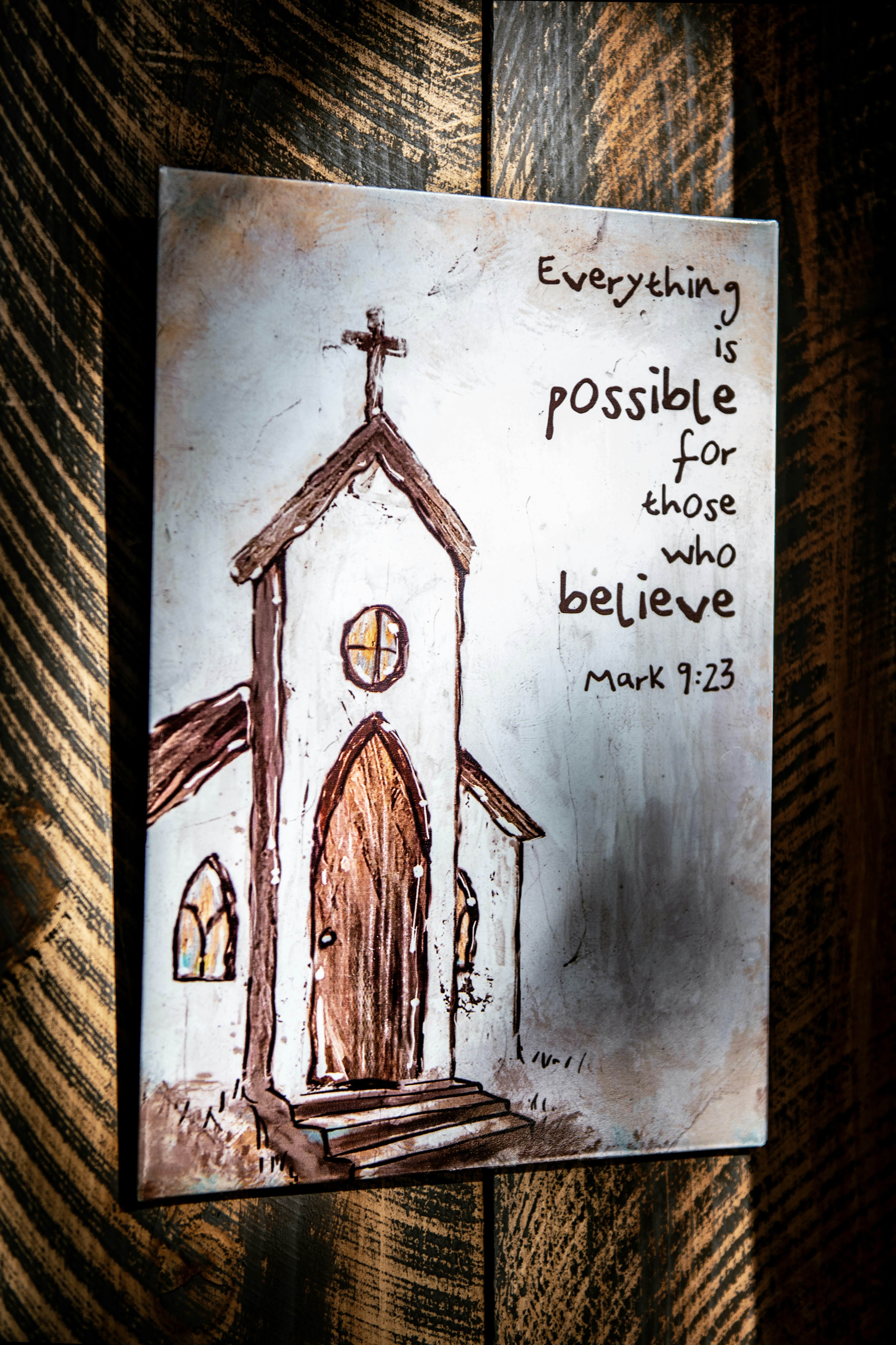
The concept of belief is deeply rooted in biblical teachings, serving as a fundamental aspect of faith and spirituality. One pivotal scripture that underscores this is found in the Gospel of Mark, specifically Mark 9:23, where Jesus states, “If you can believe, all things are possible to him who believes.” This assertion highlights the profound power of belief; it positions faith as a catalyst for divine intervention and the realization of God’s promises in an individual’s life.
In addition to Mark 9:23, several passages throughout the Bible emphasize the necessity of belief for experiencing God’s favor and miracles. For instance, Hebrews 11:6 articulates that “without faith, it is impossible to please Him; for he who comes to God must believe that He is, and that He is a rewarder of those who diligently seek Him.” Here, the scripture delineates a clear connection between belief and the ability to approach God, further asserting that belief acts as a prerequisite for receiving His rewards.
The narratives of specific biblical figures provide compelling illustrations of how belief can lead to remarkable outcomes. Take, for example, the story of Abraham, often referred to as the father of faith. His unwavering belief in God’s promises led to the establishment of a great nation through his lineage, despite circumstances that seemed insurmountable. Similarly, the faith demonstrated by individuals like the woman with the issue of blood, who stated, “If I may touch but His clothes, I shall be whole” (Mark 5:28), emphasizes how belief often precedes divine healing and restoration.
These examples reinforce the premise that belief is not merely a passive state but an active engagement with God’s truth. It encourages individuals to cultivate a robust belief system, as rooted in Scripture, that can profoundly influence their experiences and outcomes in life. Through understanding these biblical foundations of belief, one can appreciate the transformative power it holds in aligning with God’s will and provisions.
The Relationship Between Belief and Action
Belief is a fundamental aspect of the human experience, influencing not only our thoughts but also our actions. In the context of faith, true belief signifies more than an intellectual agreement; it requires the active application of God’s teachings in our daily lives. This concept emphasizes that belief manifests itself through concrete actions that reflect one’s commitment to divine principles.
One illustrative example can be found in the concept of love and service to others. When individuals genuinely believe in the teachings of compassion and generosity as espoused in scripture, they are compelled to act on these beliefs. This may manifest as volunteering one’s time, providing assistance to those in need, or offering emotional support to friends and family. Such actions are not merely obligations, but rather natural expressions of one’s faith that flow from a deeply ingrained belief in God’s word.
Moreover, the relationship between belief and action also functions in moments of moral decision-making. For instance, when faced with ethical dilemmas, a person whose beliefs are firmly rooted in biblical truth is more likely to make choices that align with their faith. This reinforces the idea that belief is not an isolated mental exercise but operates as a driving force behind tangible actions that exhibit one’s moral fiber and adherence to God’s teachings.
Additionally, the integration of belief into everyday actions can be seen in the way individuals approach challenges. A believer might find strength and resilience in their faith when dealing with adversity, believing that God supports them through their struggles. This conviction often translates into perseverance and a positive attitude, proving that belief compels action, influencing both personal growth and communal relationships.
Overcoming Doubt: The Journey of Believing
Doubt is a common experience among believers, often presenting a formidable challenge on their spiritual journey. These moments of skepticism can arise from various sources, including personal struggles, societal pressures, or unanswered prayers. However, it is essential to navigate through these uncertainties to deepen one’s faith and understanding of God’s truth.
One effective strategy for overcoming doubt is engaging in prayer. This practice serves as a direct line of communication with God, allowing individuals to express their feelings, seek guidance, and find solace. During times of uncertainty, prayer can provide clarity, reinforcing the believer’s foundation through a sense of divine connection. Creating a dedicated space for prayer, whether through set times during the day or spontaneous moments, encourages individuals to cultivate a habit of reliance on their faith.
Another powerful tool in the journey of believing is meditation on scriptures. Reflecting upon biblical passages not only strengthens understanding of God’s promises but also helps to dispel doubts. When faced with uncertainties, returning to selected scriptures can serve as reminders of faith and assurance. Individuals may choose specific verses that resonate with their situation, creating a personal mantra that provides encouragement during difficult times.
Furthermore, seeking support within a community can significantly aid in overcoming doubt. Engaging with fellow believers through church gatherings, study groups, or informal discussions fosters a sense of belonging and shared experience. Hearing personal stories of triumph over skepticism can uplift spirits and inspire confidence in one’s own faith journey. It is often in these communal settings that individuals find the strength to confront their doubts, realizing they are not alone in their struggles.
In conclusion, while doubt can be daunting, it does not have to define the journey of believing. Through prayer, meditation on scriptures, and the support of a community, believers can confront skepticism and emerge with a renewed and resilient faith.
The Transformative Power of Belief
Belief holds a profound impact on the course of an individual’s life. It serves as a foundational pillar upon which one’s values, decisions, and overall worldview are built. When individuals embrace strong beliefs, particularly those rooted in faith, they can experience remarkable transformations—both psychologically and emotionally. One notable testimonial comes from a man named John, who battled alcohol addiction for years. After finding his faith, John not only overcame his addiction but also transformed his relationships and career, illustrating the powerful role that belief can play in personal rehabilitation.
Similarly, Sarah, a single mother of three, faced overwhelming challenges while trying to provide for her family. After turning to her faith, she found strength and guidance, leading her to pursue education and ultimately secure a stable job. Sarah’s story exemplifies how a deep-seated belief can inspire resilience, enabling individuals to overcome adversity. Such narratives highlight that belief, particularly in something greater than oneself, can impart a sense of purpose and direction which is otherwise often elusive.
Moreover, the psychological benefits of belief are well-documented. Research indicates that strong faith can reduce anxiety and enhance overall well-being. This transformation often occurs through the cultivation of hope, which provides individuals with the fortitude to face life’s challenges. People of faith regularly report experiencing lower levels of stress and greater satisfaction in life. This psychological upliftment is linked to a community of support and a framework through which to understand their experiences.
In essence, belief is transformative. It can lead to tangible improvements in one’s mental health and overall quality of life. The experience of many underscores that when an individual embraces a belief system, they open the door to significant change, driving them towards a more fulfilled and purpose-driven existence.
Belief as a Catalyst for Miracles
The concept of belief as a catalyst for miracles plays a significant role in theological discussions and personal testimonies alike. Throughout history, both religious texts and contemporary narratives have illustrated how a deep-seated conviction can lead to extraordinary occurrences that many would describe as miraculous. The Bible is replete with stories where belief is integral to receiving God’s intervention, showcasing how faith can lead to profound change.
Consider the story of the woman with the issue of blood in the Gospel of Mark. Her unwavering belief that merely touching the hem of Jesus’ garment would heal her resulted in miraculous recovery (Mark 5:28-34). This anecdote highlights that belief is not merely passive acceptance; it is an active force that calls upon divine powers. Her faith was the channel through which her healing was activated, illustrating that belief is often the precursor to miracles.
In modern contexts, there are countless testimonials that echo similar themes. Individuals facing terminal illnesses, financial ruin, or profound personal crises recount transformative experiences that emerged through a steadfast belief in a higher power. These narratives, though modern, resonate with the biblical paradigm, affirming that belief acts as a conduit through which divine intervention can manifest.
It is crucial to recognize that while belief can set the stage for miracles, it does not guarantee their occurrence. Rather, it opens the heart and mind to the possibility of the extraordinary and fosters an environment conducive to experiencing God’s truth and love. In this way, belief becomes a powerful catalyst, igniting hope and resilience in the face of seemingly insurmountable challenges. The intersections of faith and miraculous experiences continue to be a profound testament to the enduring influence of belief in the lives of many.
Nurturing Belief in Daily Life
Nurturing one’s belief in God is integral to fostering a deeper connection with faith. Incorporating intentional practices into daily routines can significantly enhance this relationship. One fundamental practice is prayer, which serves as a means of communication with the divine. Establishing specific times for prayer can create a sacred ritual, fostering a greater sense of purpose and presence in one’s life. Whether through formal liturgy or spontaneous conversation, prayer can center the mind and spirit, allowing believers to express gratitude, seek guidance, and offer intercessions.
Additionally, scripture study forms a cornerstone of deepening belief. Engaging with sacred texts regularly not only reinforces doctrines but also offers insights into God’s nature and promises. Believers may benefit from dedicating time to reflect on passages and meditating on their meanings. Utilizing study groups can enhance this experience, allowing for shared interpretations and community growth in understanding. Journaling reflections can also be an enriching practice that personalizes scripture engagement.
Moreover, involvement in faith communities provides support and accountability in one’s spiritual journey. Regular participation in worship services, fellowship activities, and service projects fosters a sense of belonging and shared purpose. These communal experiences can affirm individual beliefs and encourage collective growth. Connecting with others who share similar values allows individuals to find encouragement, share burdens, and celebrate joys alongside fellow believers.
Incorporating these practices—prayer, scripture study, and community involvement—into daily life creates a nurturing environment for belief. By actively engaging in one’s faith on a regular basis, individuals can deepen their understanding, reinforce their values, and cultivate a resilient foundation built on God’s truth, allowing belief to flourish in every aspect of life.
The Role of Belief in Community and Support
The significance of community support in nurturing belief cannot be overstated. When individuals come together in congregations, study groups, or fellowship settings, they cultivate an environment conducive to personal and spiritual growth. These gatherings provide the necessary encouragement and motivation to strengthen one’s belief system. Community enables individuals to share their experiences, challenges, and joys, which can validate their feelings and reinforce their faith.
Furthermore, being part of a community often creates a sense of accountability. When individuals are surrounded by others who share similar beliefs, they are more likely to stay committed to their principles and practices. This mutual support fosters resilience in facing personal doubts and external challenges, allowing them to lean on one another for guidance and reassurance. Through collective prayers, discussions, and shared rituals, the bond within the community deepens, further solidifying each member’s faith.
Additionally, communities often provide resources such as mentorship programs, study materials, and opportunities for service, which can be instrumental in fostering belief. These resources not only enhance knowledge but also promote active engagement with one’s faith. Participating in community service, for example, can lead to a more profound understanding of one’s beliefs and their implications in everyday life. This active participation creates a dynamic where personal beliefs can evolve while remaining anchored in communal support.
In conclusion, the role of belief in community and support is paramount. The collaborative nature of congregations and study groups strengthens individual faith and reinforces the essential truth that belief flourishes in an environment of shared values and mutual encouragement. By embracing the collective power of belief, individuals can thrive spiritually and contribute positively to their communities.
Conclusion: The Journey of Belief
Throughout this exploration of belief, we have delved into the significance of embracing God’s truth as a guiding force in our lives. This journey of belief is not simply a one-time event; rather, it is an ongoing process that requires reflection, growth, and a strong commitment to deepening our faith. By acknowledging the power of belief, we open ourselves to transformative possibilities that stem from trusting in God’s promises.
As we have discussed, belief in God serves as a foundation that can anchor us during turbulent times. By cultivating a deeper understanding of God’s truth, we become more resilient and adaptable in facing life’s challenges. This realization empowers us to approach obstacles not with fear, but with hope and confidence, knowing that we are never alone on our journey; God is with us every step of the way.
Encouraging a reflective practice, we invite you to assess your own beliefs and consider how they influence your daily decisions and interactions with others. The continuous endeavor to deepen your belief and embrace God’s truth can lead to a more fulfilled and purposeful life. As we allow the teachings of faith to permeate our thoughts and actions, we create a positive ripple effect that extends beyond ourselves, impacting those around us.
In closing, let us not merely consume knowledge but actively integrate belief into our lives. Trusting in God’s promises opens the door to possibilities that may seem unattainable at first. Nourishing our faith allows us to experience the profound joy and assurance that come from a genuine relationship with the divine. The journey of belief is personal yet universal—each step taken is a testament to the power of embracing God’s truth.